LHSAA  ·  Heat & Lightning Compliance

Are your schools fully compliant with LHSAA's heat and lightning policies?

From WBGT readings and documentation logs to automatic lightning stoppages, Weatherstem delivers turnkey compliance with on-site data, automated alerts, hands-off installation, and year-round support.

HourlyMinimum WBGT reading interval
85°F+WBGT cold-water immersion threshold
14 daysHeat acclimatization period
92.1°FWBGT at which all outdoor activity is cancelled
What the policy requires

Louisiana sets one statewide heat standard for every sport

Louisiana's Bulletin 135 (Health and Safety), §507, written to align with Act 259 of the 2020 Regular Legislative Session and applied to LHSAA schools, covers summer conditioning, preseason, and fall and spring sports any time a coach is present. It requires an approved WBGT instrument at every outdoor practice, with readings taken at the practice site at least every hour, beginning 30 minutes before practice or a contest starts, and every reading recorded. Forecasts don't satisfy the rule: it's built around on-site conditions at the actual venue.

WBGT Monitoring

An approved instrument at each outdoor practice, with readings at least hourly starting 30 minutes before start time.

Cooling Tubs

Cold-water immersion tubs or an equivalent available in a shaded area when WBGT exceeds 85.0°F.

Documentation

Any practice modification or cancellation must be recorded on the WBGT Environment Modification/Cancellation Log.

14-Day Acclimatization

The first 14 days of preseason practice, with no more than two rest days or the process restarts at day one.

Lightning Safety

The NFHS standard: suspend at the first thunder or lightning, wait 30 minutes, and reset the clock on any new strike.

LHSAA WBGT categories

What each WBGT reading requires on the field

Louisiana ties rest breaks, practice length, and equipment to the WBGT category at the practice site. Weatherstem reads the category for you, so coaches act on it instead of looking it up.

WBGTRequired action
Below 76.1°FNormal activities and practice rules; standard hydration.
82.2–86.9°FAt least 3 rest breaks per hour, 3 minutes each. Normal equipment with active monitoring.
87.1–90.0°FMaximum 2 hours. At least 3 rest breaks per hour, 4 minutes each. Football in helmets, shoulder pads, and shorts.
90.1–91.9°FMaximum 1 hour. Football in helmets and shorts (or football pants if the level is crossed mid-practice). No conditioning.
92.1°F and aboveAll outdoor activities and practices are cancelled.

Above 85.0°F WBGT, cold-water immersion tubs or an equivalent should be available in the shaded rest area. Categories as published for LHSAA schools; confirm your district's applicable guidance with the LHSAA.

Acclimatization

The 14-day heat acclimatization rules

Every athlete follows the same 14-day schedule at the start of preseason. More than two rest days restarts the clock at day one.

Days 1–5One practice per day, 3 hours maximum, plus a 1-hour walk-through after 3 hours of rest.
Equipment phase-inHelmets only on days 1–2, helmets and shoulder pads on days 3–5, full gear and contact from day 6.
DoublesAllowed on days 6–14, but not on back-to-back days, with a 5-hour daily maximum.
Restart ruleMore than two rest days in the 14 restarts the acclimatization process.
Also required

The safety practices behind the numbers

Shaded rest breaksRest in shade with unrestricted fluids and helmets off.
Cool first, transport secondBe ready to start cold-water immersion for suspected heat stroke while calling EMS.
Venue-specific EAPAn emergency action plan for each venue, reviewed every season.
Annual coach trainingHeat-illness training for coaches every year.
Quick readiness check

What LHSAA compliance actually looks like on the ground

🌡️

On-site WBGT, every venue

Measured at the actual practice site, not estimated from a nearby station or a regional forecast.

🚨

Automated threshold alerts

Coaches and trainers are notified the moment conditions cross a threshold, before anyone has to check a chart.

📋

Time-stamped logs

WBGT readings, modifications, and lightning stoppages recorded automatically for your compliance file.

⏱️

Visible countdown

A live timer enforces the 30-minute lightning hold and resets automatically on any new strike.

🔔

Clear signals for everyone

Coaches, athletes, and parents all see the same status, so there's no ambiguity about what to do.

🛠️

Hands-off installation

Setup and year-round support and maintenance are handled for you, so there's no burden on your staff.

Weatherstem Protect

Compliance you can trust, built for Louisiana heat and humidity

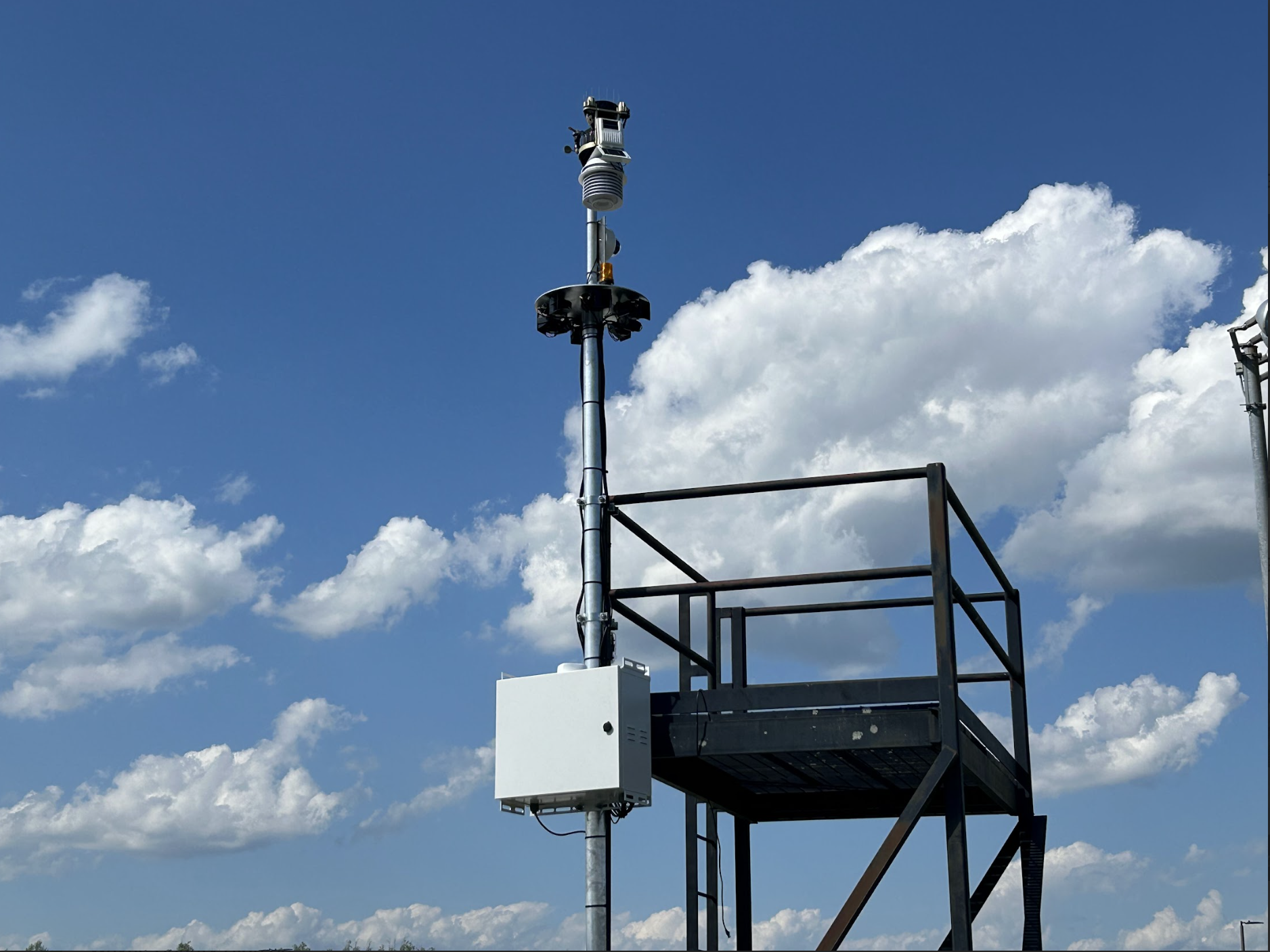
Protect continuously measures WBGT at your venue, so the readings Louisiana requires are always current and always on the record. In a state where heat and humidity arrive together, it keeps coaches and athletic trainers a step ahead of conditions.

Sub-second refreshContinuous on-site WBGT, not hourly spot checks.
Automatic alertsThreshold alerts the moment conditions shift.
Configurable to your districtSet up around your written policy, not a generic threshold.
Text and email alertsSent to coaches, trainers, and administrators as standard.
Weatherstem Blast

One signal, understood the same way on every field

When Protect detects a lightning strike or a WBGT threshold is crossed, Blast turns that reading into a signal every coach on campus already knows how to read: visual beacons, an audible horn, or optional text-to-speech, tied directly to Protect so a stoppage triggers automatically.

💡

Visual beacons

For outdoor venues where a horn isn't practical or audible far enough away.

📣

Horn + text-to-speech

Maximum reach across campus, with optional spoken announcements.

🔗

Tied to Protect

A stoppage triggers automatically, so no one has to remember to sound it.

📨

Duplicate admin alerts

Logged automatically alongside your compliance record.

Weatherstem at a school
See Blast in Action
Side by side

The LHSAA heat rules, and what runs on its own once Weatherstem is installed

Louisiana requires

  • An approved WBGT instrument at every outdoor practice
  • Readings at least hourly, starting 30 minutes before practice or a contest
  • Rest-break, practice-length, and equipment limits for each WBGT category, with all outdoor activity cancelled at 92.1°F
  • Cold-water immersion tubs or equivalent when WBGT exceeds 85.0°F
  • Practice modifications and cancellations documented on the official log
  • A 14-day heat acclimatization period with no more than two rest days
  • A 30-minute hold after lightning, reset by any new strike (NFHS guidance)

Weatherstem handles

  • Continuous on-site WBGT at every venue
  • Automatic category detection, so rest-break, time, and equipment limits surface the moment conditions shift
  • Alerts the moment a threshold is crossed
  • Cooling alerts triggered before staff have to check a chart
  • A time-stamped record of every reading, ready for review
  • Lightning detection monitored around the clock
  • An automatic countdown timer, visible to coaches and staff
Trusted in Louisiana

Trusted by LSU and the New Orleans Office of Homeland Security and Emergency Preparedness

Weatherstem is already on the ground in Louisiana, delivering real-time conditions where accuracy matters most, from a Southeastern Conference campus to the city's emergency operations center.

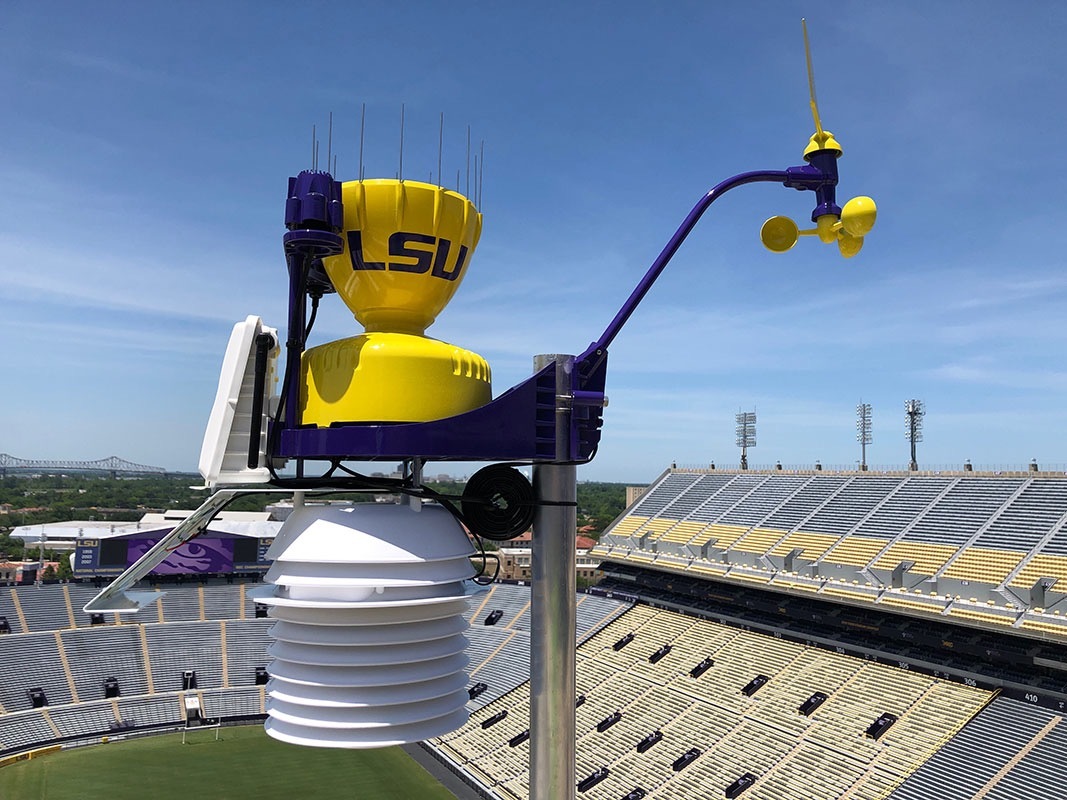
Weatherstem station at LSU Tiger Stadium

Louisiana State University

Weatherstem technology is installed at LSU in Baton Rouge, giving the campus real-time, on-site conditions.

View the Tiger Stadium site ›
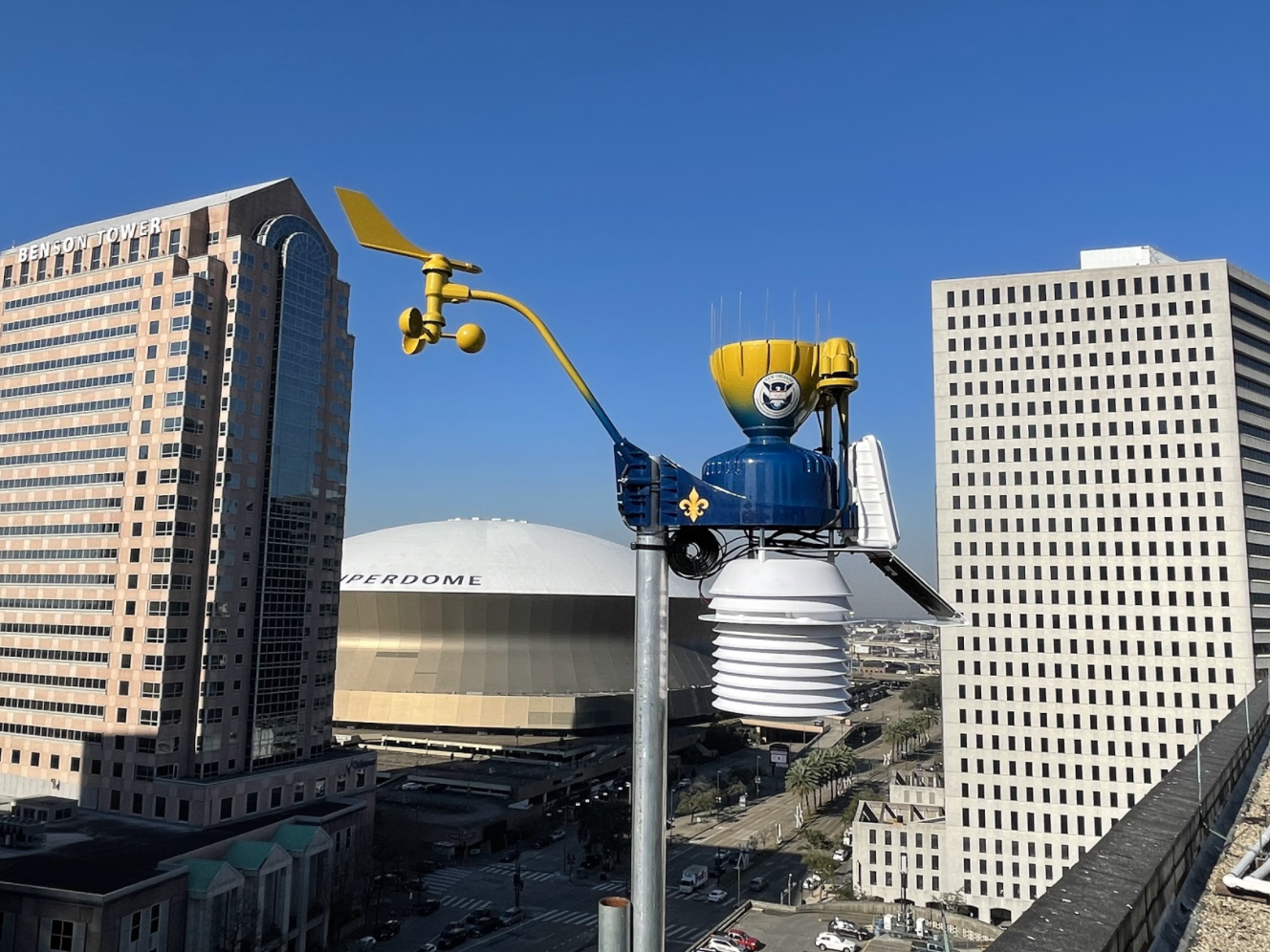
New Orleans Office of Homeland Security and Emergency Preparedness Weatherstem station

NOHSEP

The New Orleans Office of Homeland Security and Emergency Preparedness runs a Weatherstem network of 20 weather stations across the city, including fire and police stations, the Port of New Orleans, recreation centers, and schools.

View the New Orleans network ›
★★★★★
Not only will [the stations] be used during hurricane season to give our Emergency Operations Center realtime situational awareness, but they will create new educational opportunities for the public.
Collin Arnold
Former Director, New Orleans Office of Homeland Security and Emergency Preparedness
Read the New Orleans case study
Build your system

The Weatherstem platform behind your compliance

Common questions

LHSAA compliance, answered

Do we need WBGT monitoring at each practice site?

Yes. Louisiana's policy requires an approved WBGT instrument at each outdoor practice, with readings taken at the practice site rather than estimated from a forecast. Weatherstem automates this at each venue.

How often do we need to record WBGT readings?

At a minimum every hour, beginning 30 minutes before practice or a contest starts. Weatherstem measures continuously and time-stamps readings automatically, so there's no manual log to fall behind on.

At what WBGT reading do we have to cancel practice?

At 92.1°F and above, all outdoor activities and practices are cancelled. Below that, the LHSAA categories limit practice time, require rest breaks, and restrict football equipment as the reading climbs. Weatherstem alerts your staff as soon as a category changes.

What do we have to document?

When a practice is modified or cancelled because of heat, Louisiana requires that the WBGT Environment Modification/Cancellation Log be completed. Weatherstem keeps a time-stamped record of the conditions behind every decision, so the supporting data is always ready.

How quickly can Weatherstem deploy at our facilities?

We provide hands-off installation and can get your system online fast, well ahead of the 14-day acclimatization period at the start of preseason, historically the highest-risk stretch of the year for heat illness.

What training do you provide for our athletic staff?

Weatherstem provides training for athletic directors, trainers, and coaches, covering system operation, thresholds, documentation, and emergency protocols, plus on-demand refreshers and a dedicated support team.

Does Weatherstem handle ongoing service?

Yes. Year-round maintenance and support are included, not billed as a separate visit.

Ready to make LHSAA compliance simple, consistent, and reliable?

Join the organizations across Louisiana that trust Weatherstem for real-time, on-site weather data.

Book My Heat Readiness Assessment