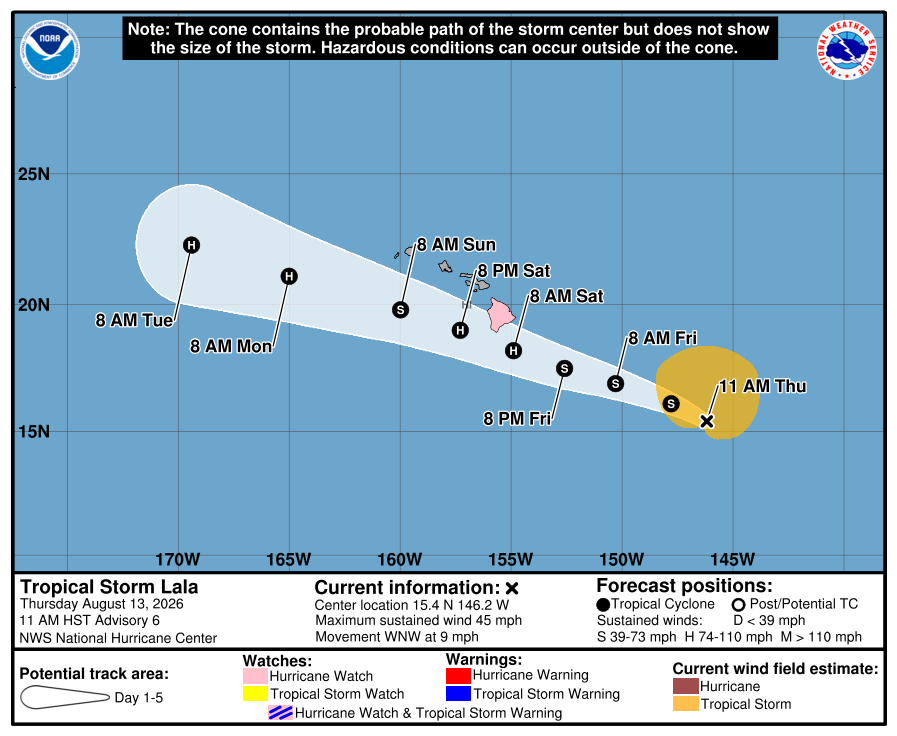
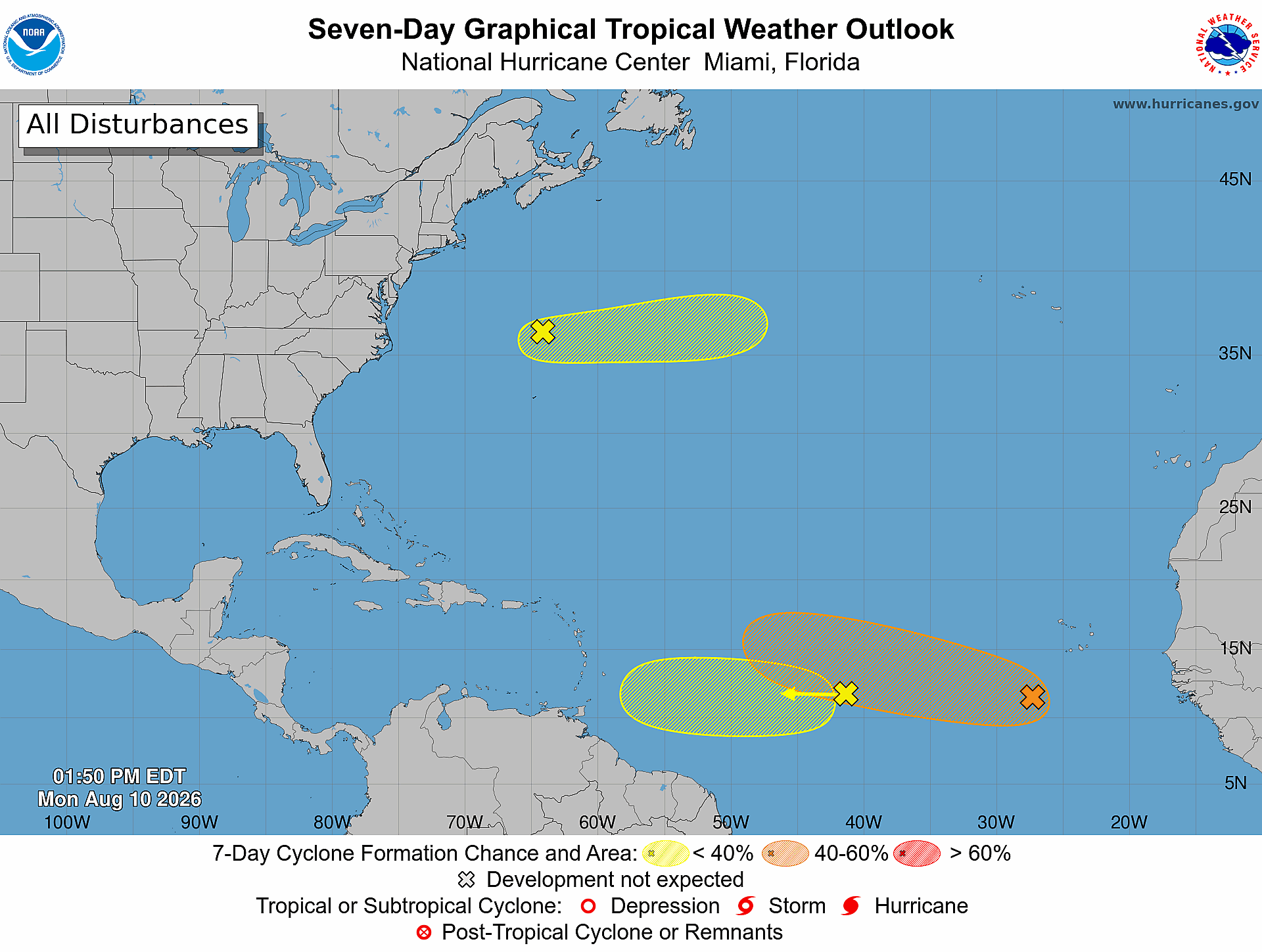
It has been one year since Hurricane Milton made landfall as a Category 3 hurricane near Siesta Key, FL:

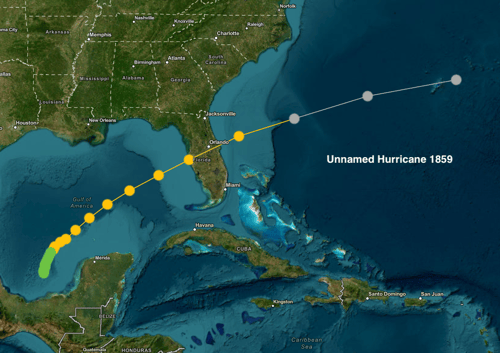
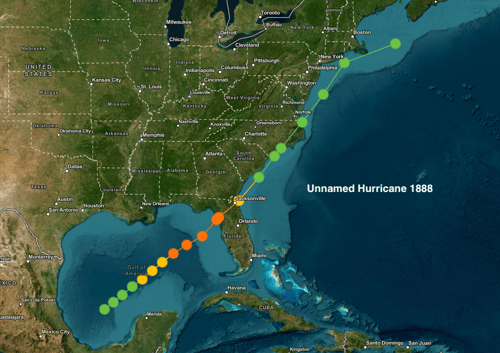
Before making landfall, Milton rapidly intensified to a Cateogry 5 Hurricane on October 7th, dropping to a low pressure of 895 mb which tied Hurricane Rita of 2005 for the fourth-lowest central pressure in an Atlantic Hurricane. While Milton formed in an area common for October, its eastward track across the Gulf of Mexico was pretty rare. Only two other storms formed in a similar location and tracked eastward into Florida, an unnamed Hurricane in 1888 and one in 1859, both in October as well:
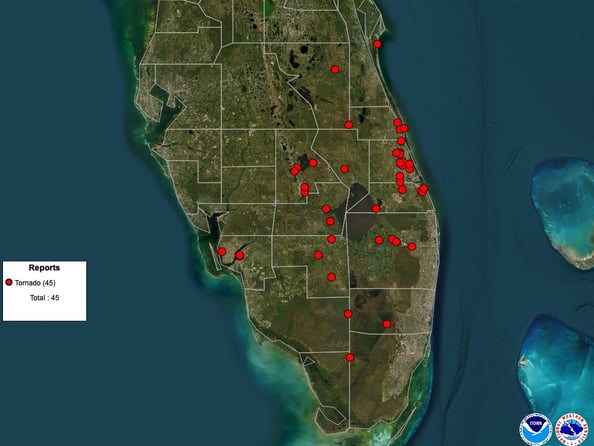
 One of the more intriguing results of Milton was an impressive tornado outbreak across the southern and central portions of the Florida Peninsula on October 9th. At least 45 tornadoes were confirmed, including 3 EF-3s, 6 EF-2s, 25 EF-1s, and 7 EF-0s:
 One of these tornadoes was captured by one of our Lake Okeechobee Weatherstem stations. Watch the video below:
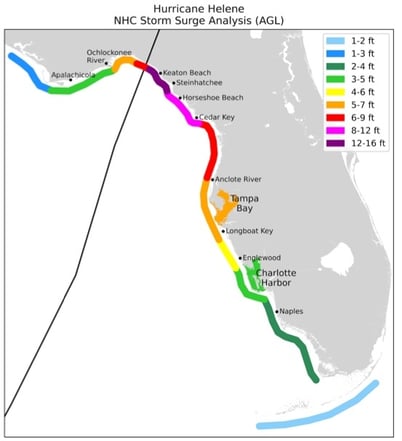
Later that evening, Milton tracked just south of Tampa Bay, sparing a region still cleaning up from Helene's storm surge just 10 days prior from the worst surge: 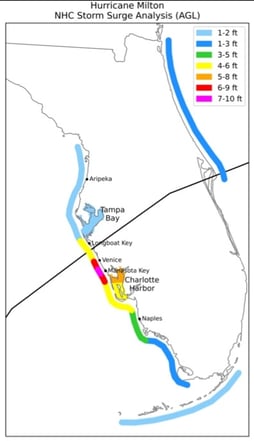
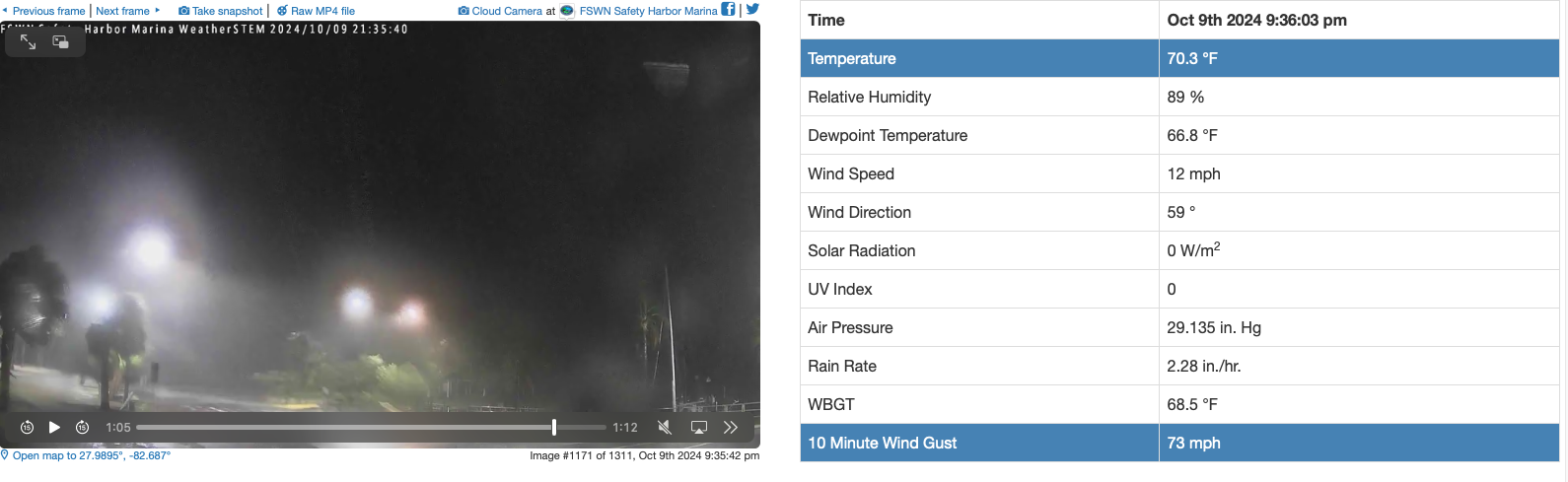
Still, rain and wind ravaged the Tampa Bay region and moved across the state, causing power outages for more than 3 million people across Florida. Luckily, several of our solar and cellular-powered stations were able to keep recording video and data as the storm moved across the area. The video below from Safety Harbor shows the destructive winds and the power dropping out. Right before the power goes out, a wind gust of 73 mph was recorded:
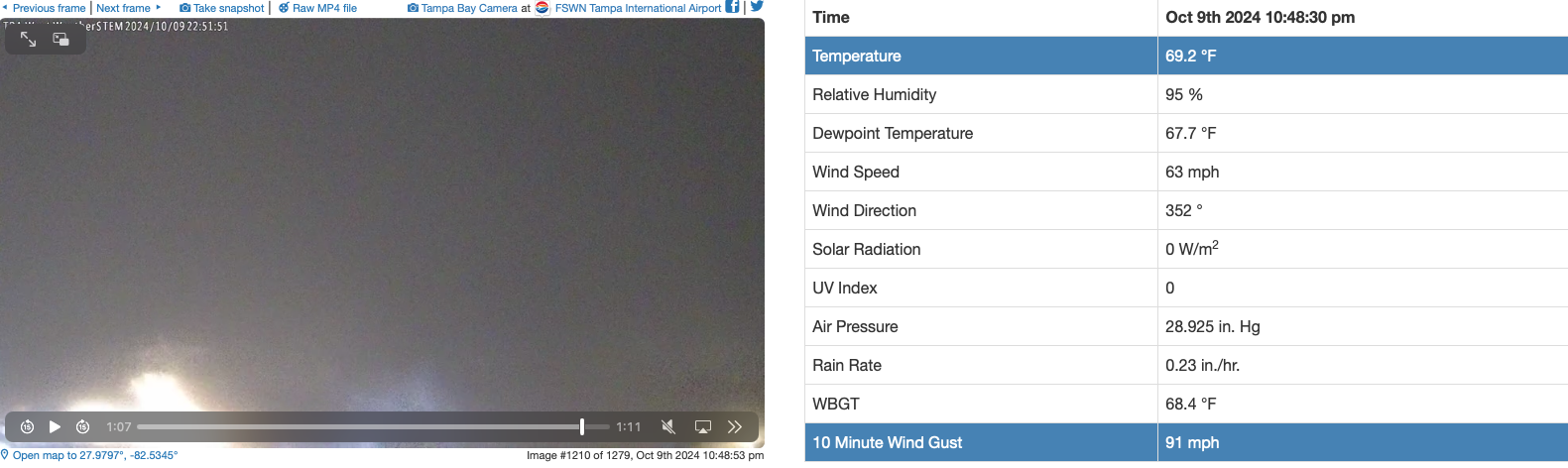
Watch the below video for 10 minutes of fury as Milton lashed Tampa International Airport:
This location recorded a wind gust up to 91 mph:
The Weatherstem stations around Hillsborough and Pinellas Counties gave emergency managers, first responders, and local meteorologists access to hyper-local, real-time data, allowing them to know exactly where the conditions were the worst and when conditions improved enough to start recovery efforts. In addition, it provided the NHC with a plethora of data to compile their final report on Milton.
With just under 2 months left in the Atlantic Hurricane season, we will continue to monitor the basin for potential US threats. Interested in booking our meteorology services to help your organization or community prepare for the next storm, reach out here to schedule a consultation.
Weatherstem
Real-time weather monitoring for the organizations that can't afford to guess.
Professional hardware, live HD camera, automated alerts, and software — installed and managed for you. 900+ stations deployed nationwide across emergency management, athletics, and commercial operations.
Book a Free Demo