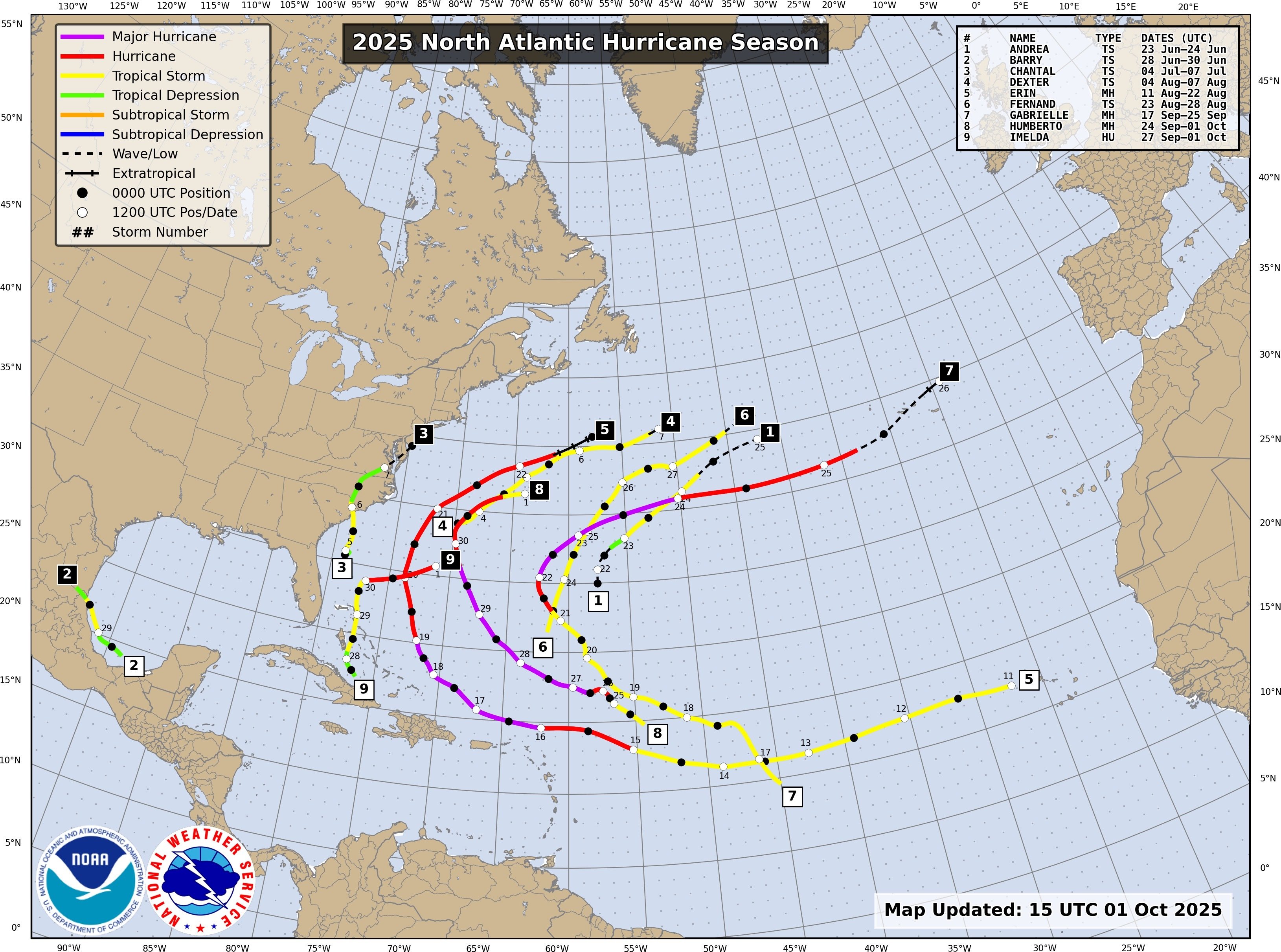
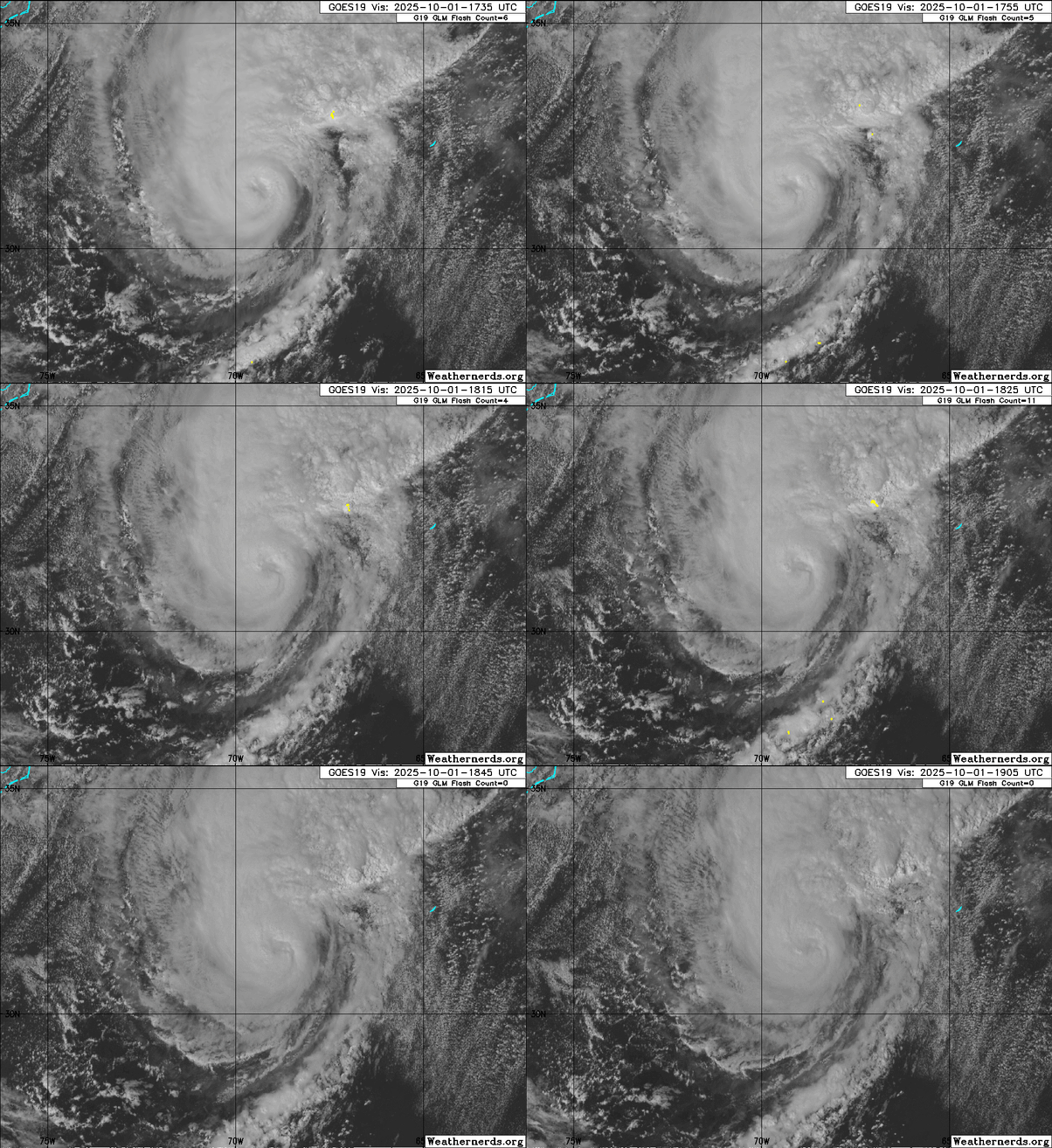
We have officially made it through what is typically the most active part of the Atlantic Hurricane Season, the months of August and September and are in the home stretch. Since the MLB playoffs just started, if the hurricane season was a baseball game, we'd be in the top of the 7th inning. And not to jinx the no-hitter we have going, but the US hasn't had a hurricane make landfall this season. The last time we went an entire season without a hurricane landfall was 2015.  The NHC is still tracking Humberto and Imelda, both of which will eventually have an impact on land. Imelda is quickly approaching Bermuda and will bring hurricane-force winds, heavy rain, and strong waves to the island nation later this evening (Bermuda is the blue sliver on the right on the image below):
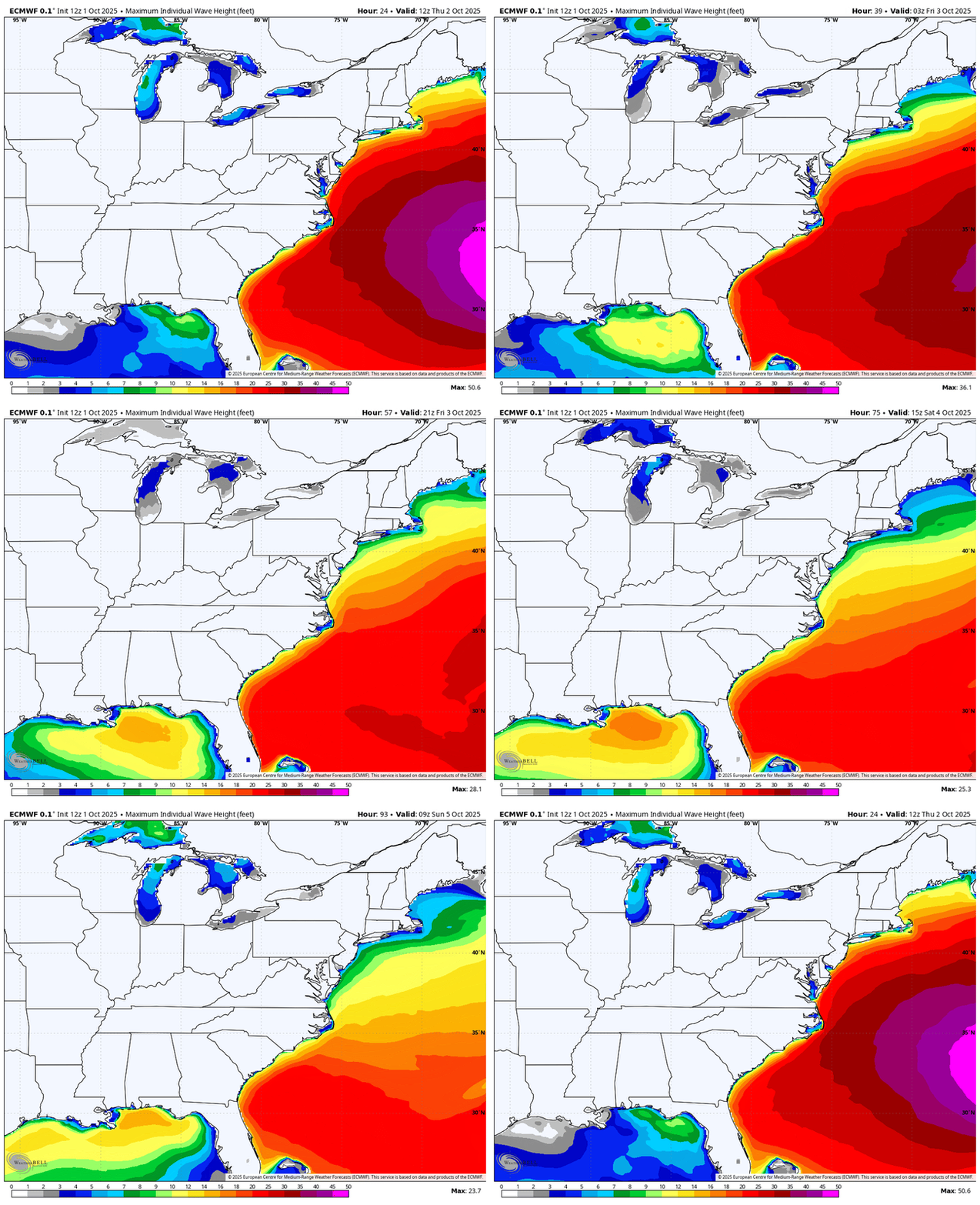
 Yesterday, waves were rocking up and down the east coast. Look at this time-lapse from our weather station on Neptune Beach where the surf was rough all day long:
It has still been a rough day at the beaches with both of the following clips taken this afternoon, showing no one in the water, red flags flying, and rough surf
Jensen Beach, FL (Notice how far back the man has his chair to avoid the high water):
And this one from Jacksonville Beach Pier shows red flags and empty water as well:
The rip current risk and elevated surf will continue into the weekend:
 Humberto has weakened to a remnant low, but it has combined with a front and will become a strong extra-tropical storm and hit the United Kingdom later this week as Storm Amy. The UK met office has been naming storms since 2015 and does so based on their probability to bring strong winds:
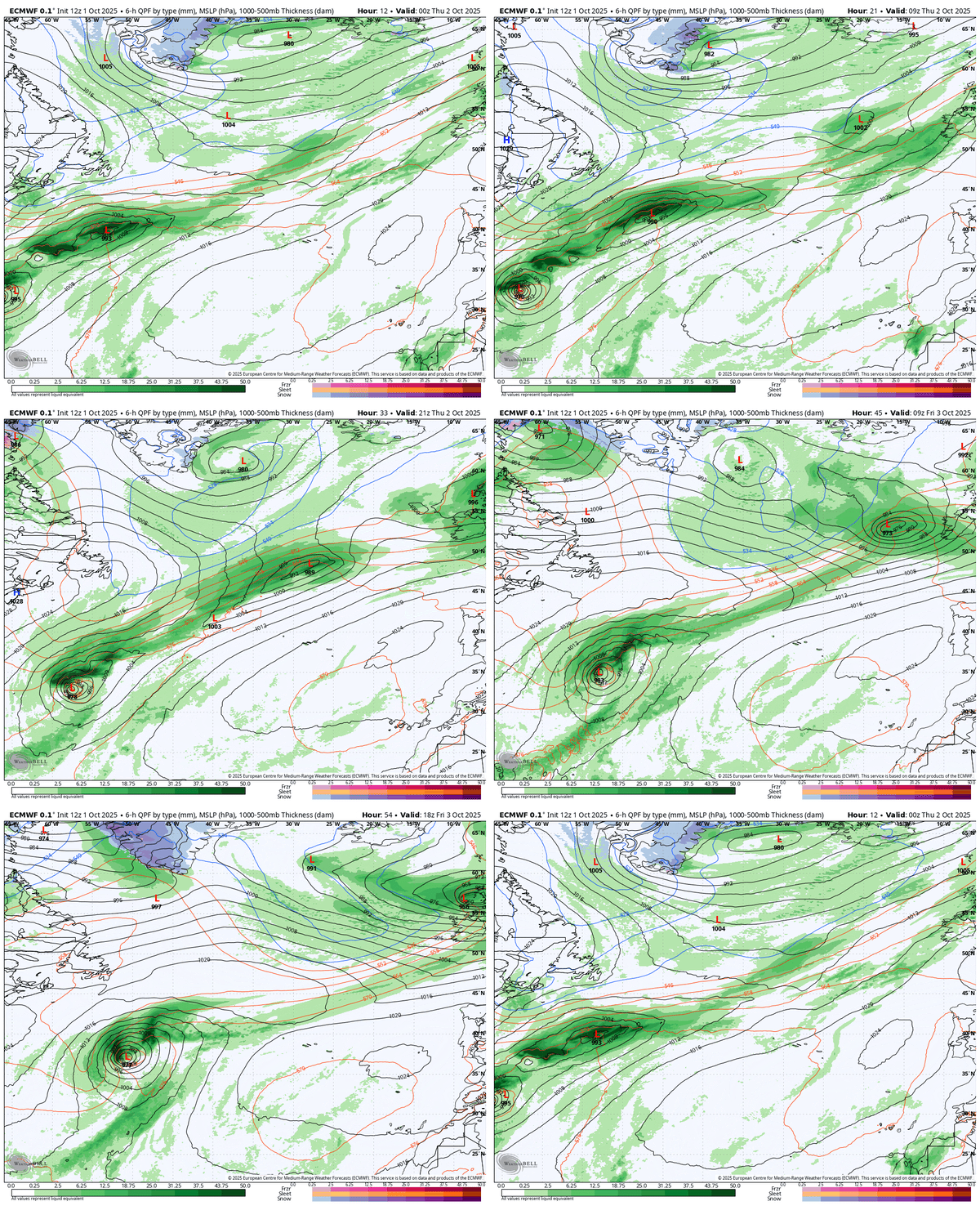 Back to the Atlantic Basin and the rest of the Hurricane season, we transition from watching the entire basin at the beginning of the month to focusing on just the Caribbean, Gulf, and areas closer to the US by the end of the month:
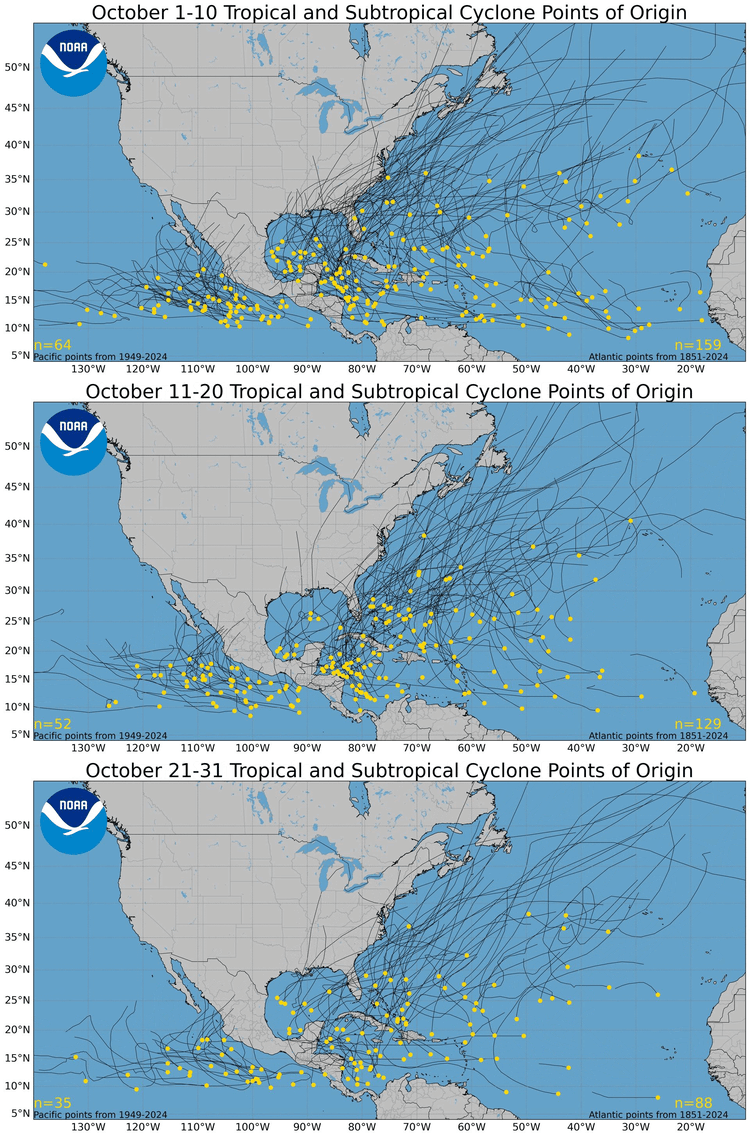
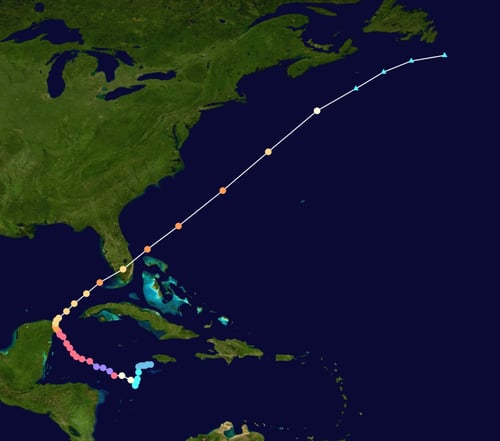
The interesting part is that October is one of the busiest times of the season for hurricanes to hit South Florida. For example, Hurricane Wilma, the most intense tropical cyclone on record in the Atlantic Basin, made landfall in South Florida on October 24th:
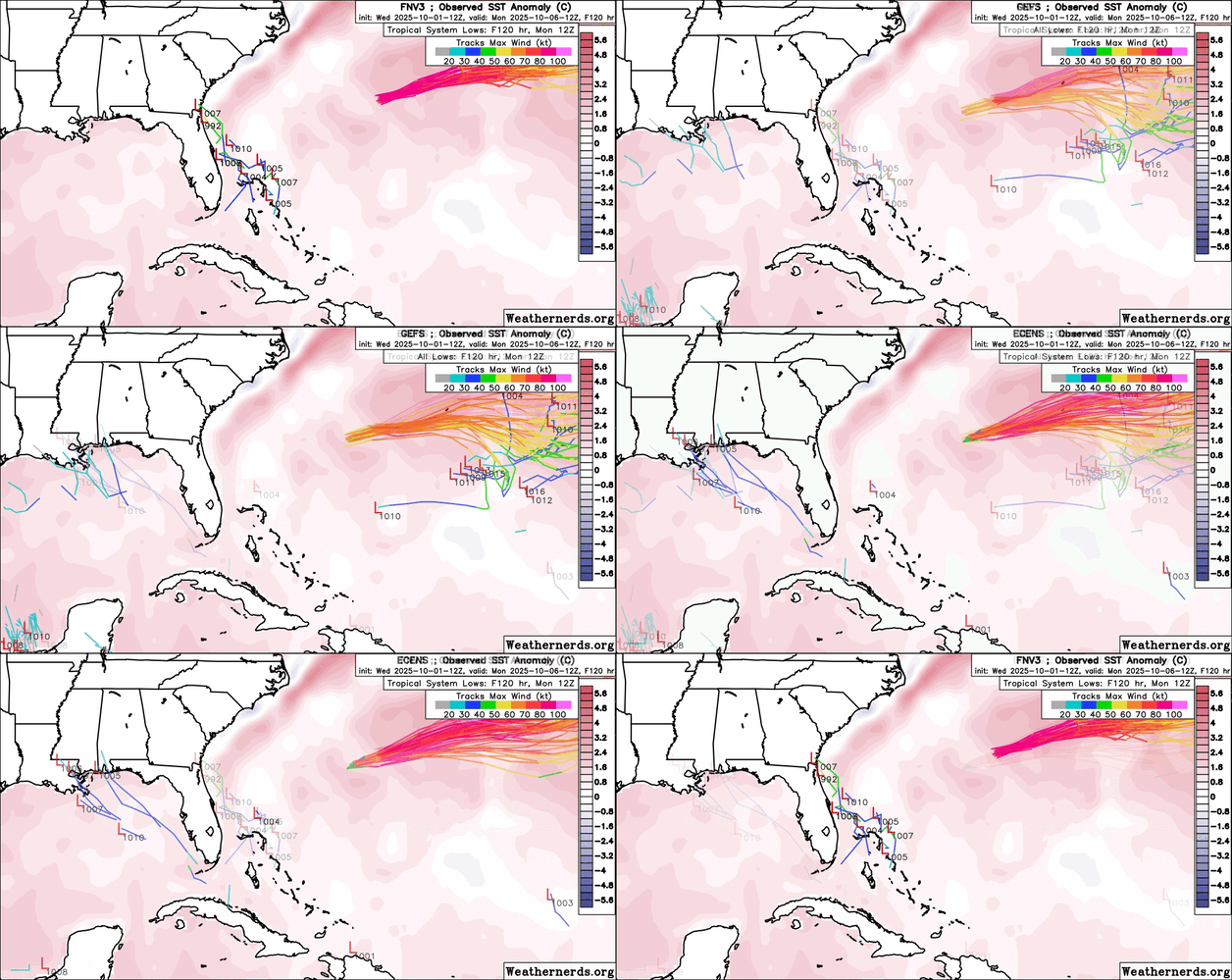
We mentioned yesterday that the Southeast coast, especially the east coast of Florida, and Gulf will be stormy through the weekend into early next week:
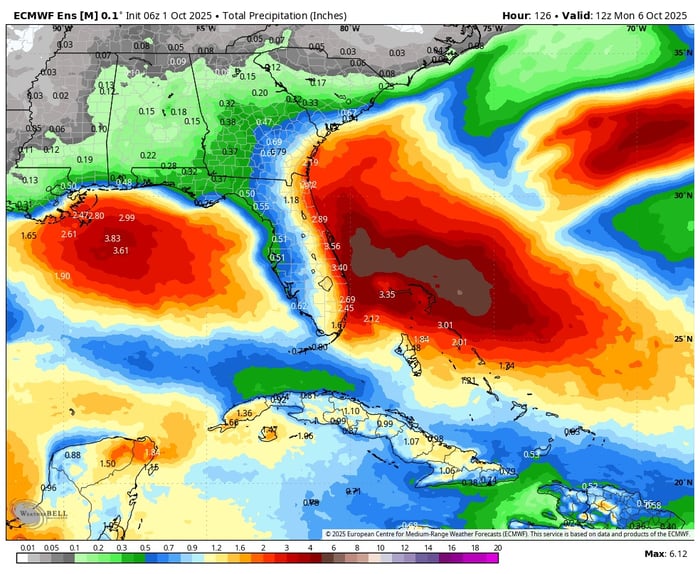 This is due to a weak low that will spread moisture across the region. While tropical development isn't likely and the NHC currently isn't watching any areas for development, there are a few members of the models that develop a weak system. Just something to monitor at this point and not worry about too much:
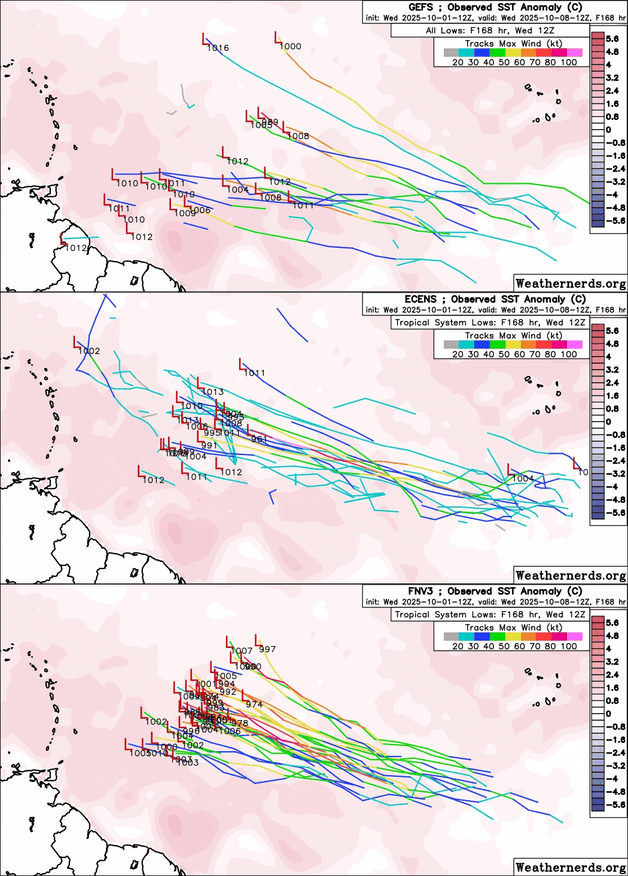
 Past that, a signal still exists for a wave to develop in the main development region by this time next week. If this trend persists, the NHC will likely need to circle a potential area to watch:
Weatherstem
Real-time weather monitoring for the organizations that can't afford to guess.
Professional hardware, live HD camera, automated alerts, and software — installed and managed for you. 900+ stations deployed nationwide across emergency management, athletics, and commercial operations.
Book a Free Demo