September 10th is the official peak of the Atlantic Hurricane season, a time period where one would expect the National Hurricane Center to be monitoring something, even if there wasn't a named system. However, the basin is mercifully quiet: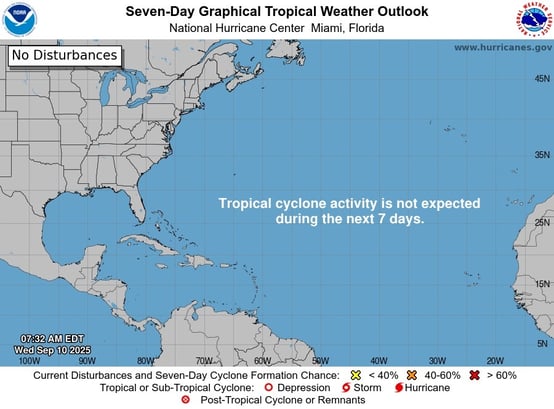
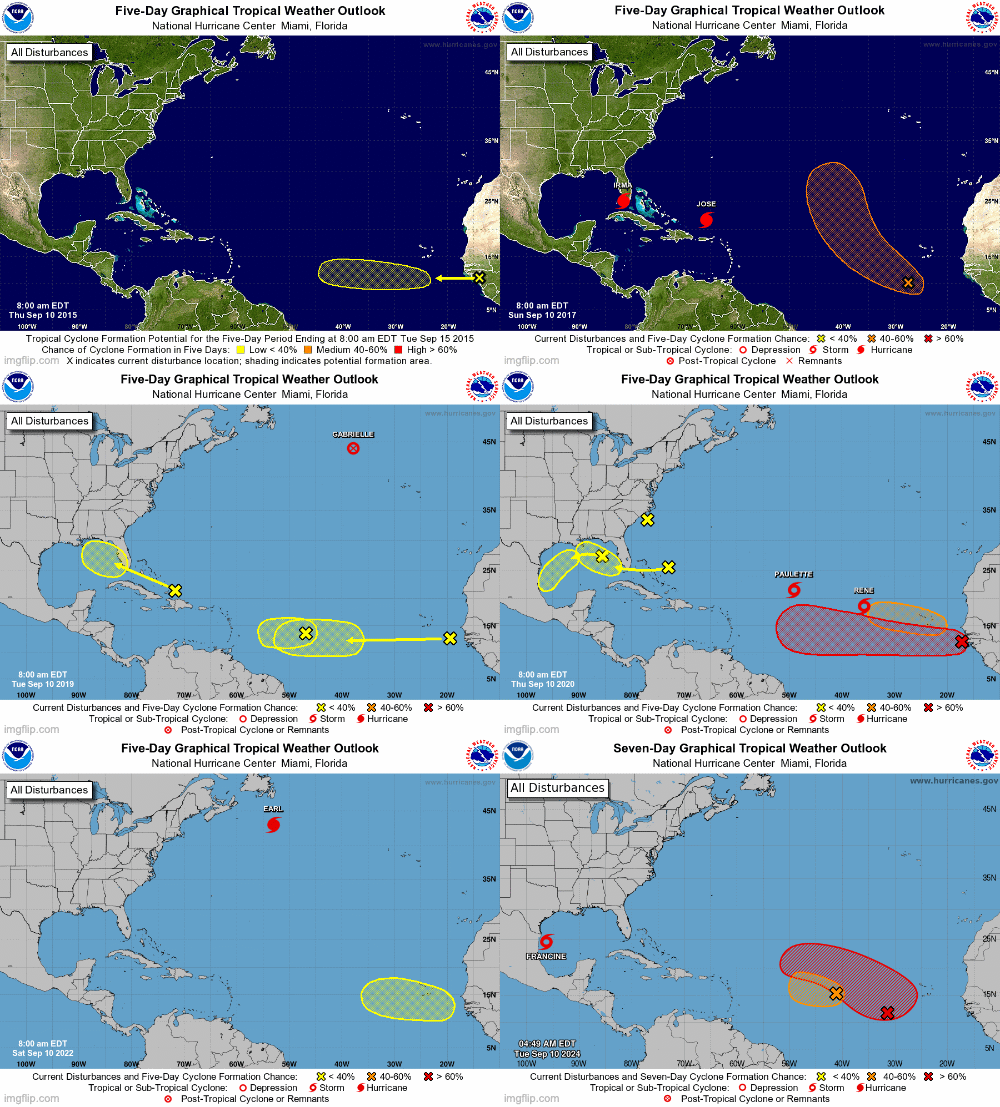
It is pretty rare to not have even an area to watch highlighted on the NHC outlook. In fact, take a look at the past 10 years where there was at least one area to watch if not multiple areas and named systems: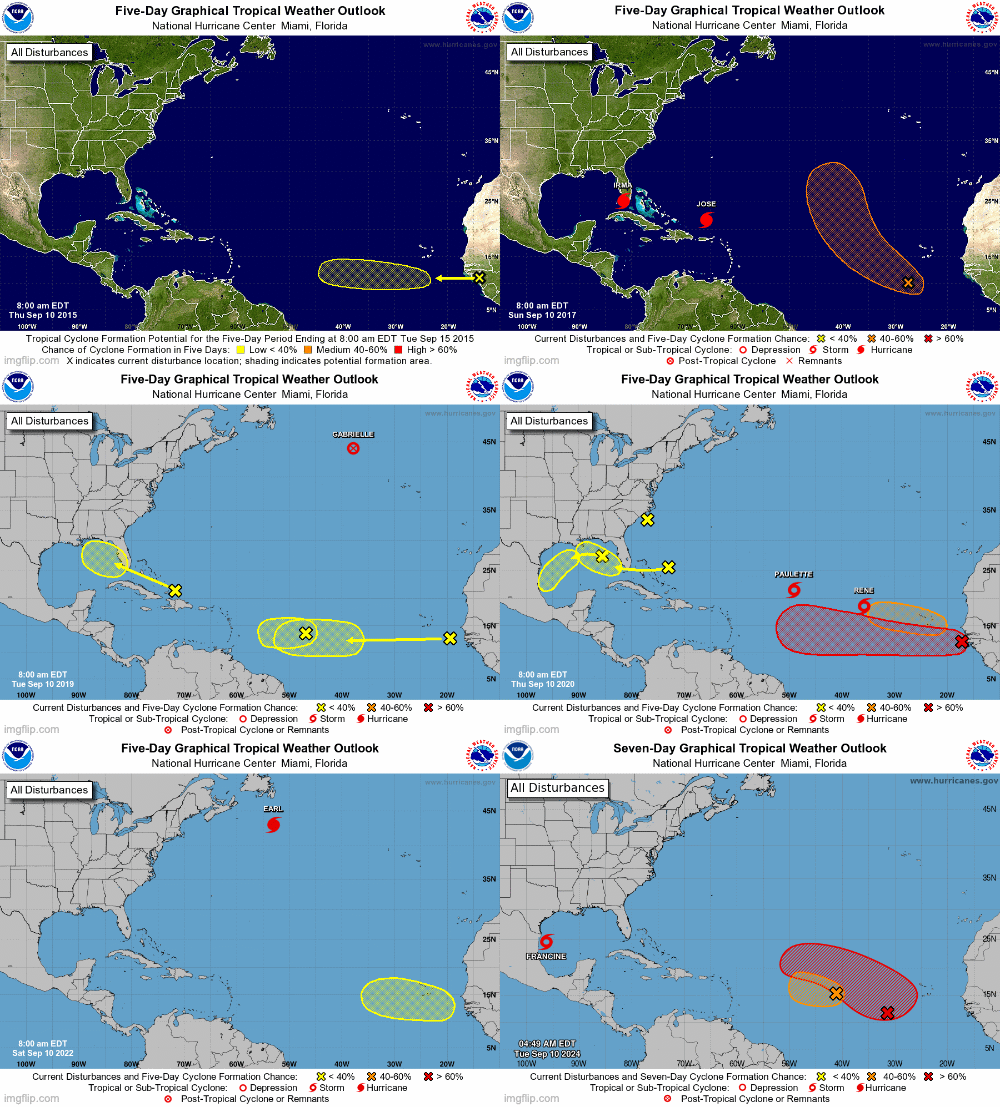
Typically, about 60% of the season occurs after September 10th so we still have a while before we can stop worrying about the tropics. In 2024, Francine, Helene, and Milton all made landfall after September 10th. But, is there anything worth watching?
As I mentioned in Monday's blog post, the GFS has indicated the potential for something to form from the Central American Gyre (CAG) and move north into the Gulf. Below are the GFS ensemble members valid for next week that do show a small possibility for development.
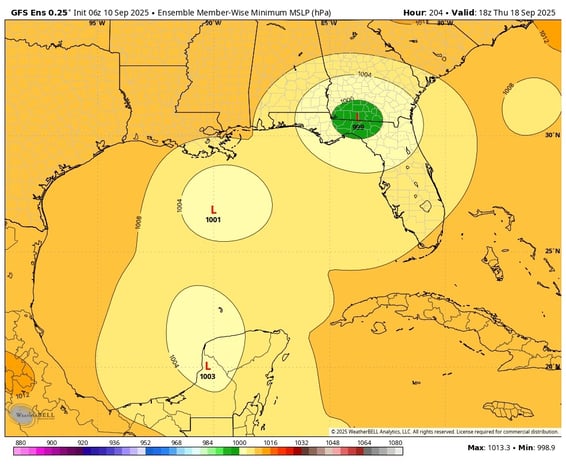
But as you can see in the below model images, there's not a ton of support for that between the Euro, Euro AI, and Google AI models:
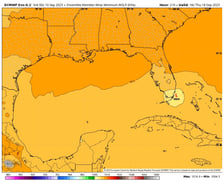
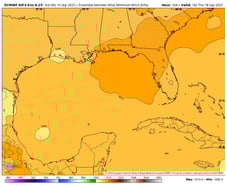
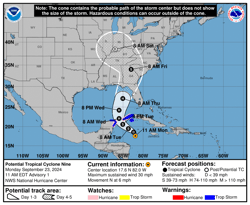
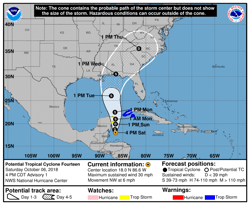
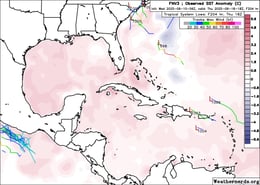 Nevertheless, we can never turn our eyes away from the Gulf this time of year, especially since anything that forms in that area wouldn't have much time before making landfall. Remember Hurricane Michael in 2018 and even Helene and Milton from 2024? All 3 of those systems went from not even being a designated system to strong hurricane landfall in less than five days. See the initial advisories from each storm below: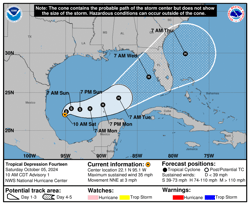
That area will remain stormy as you can see the rain forecast for the next 7 days so it isn't out of the realm of possibilities we get a system from the CAG: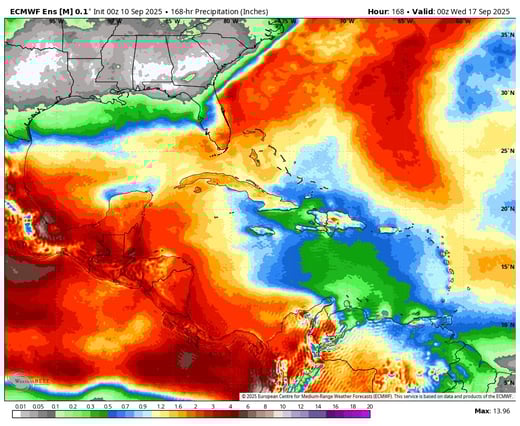
Outside of the Gulf, most models agree that a tropical wave in the Main Development Region of the Atlantic could develop by early next week. All models support this possibility but we've been down this road before with 91L the first week of September and that system never developed. But all models as you can see in the below images show a high possibility of something happening:
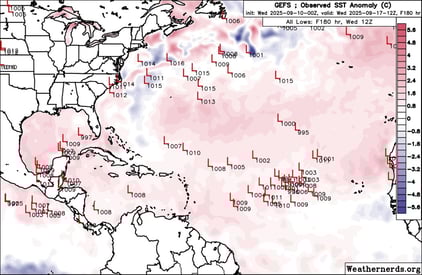
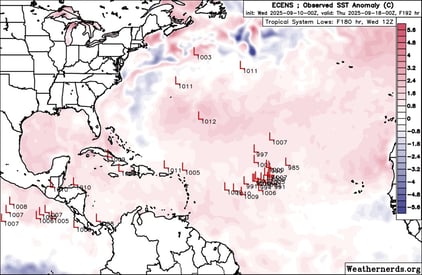
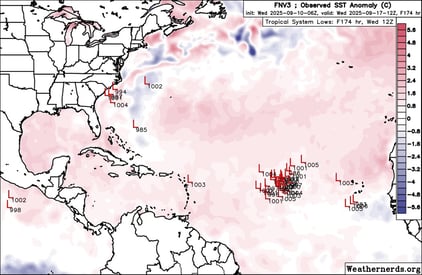
If a system were to form this time next week, it would still be over a week away from potential US impacts so there's a long time to watch it.
Weatherstem
Real-time weather monitoring for the organizations that can't afford to guess.
Professional hardware, live HD camera, automated alerts, and software — installed and managed for you. 900+ stations deployed nationwide across emergency management, athletics, and commercial operations.
Book a Free Demo