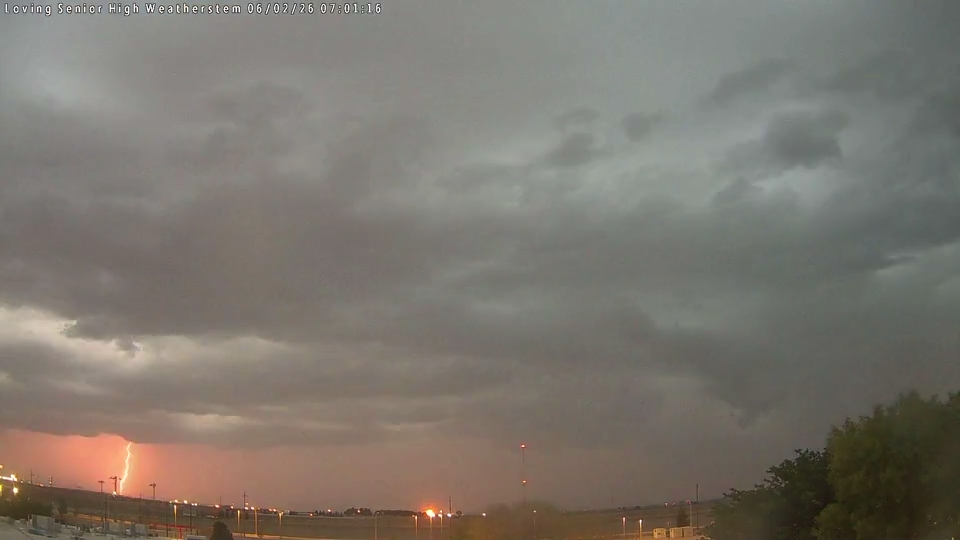
Lightning is one of the most sudden weather hazards California schools face. A thunderstorm can develop quickly, and a single strike can endanger students and staff on fields, playgrounds, or outdoor courts. Under Education Code §33355 (SB 1248), local educational agencies must maintain written extreme weather protocols that protect students during outdoor activities. Consider whether your district should include lightning procedures as part of its broader weather safety protocol, particularly if outdoor activities are common during thunderstorm season.
Which School Activities Are Most at Risk From Lightning?
Any outdoor activity that keeps students away from substantial shelter is vulnerable. This includes physical education classes, recess, lunch periods on outdoor tables, athletic practices and games that fall outside CIF rules, after-school programs, field days, and outdoor classroom activities.
Open fields, elevated areas, and metal structures (bleachers, fences, flagpoles) increase risk. Younger students may not recognize danger as quickly as older athletes, so elementary and middle school settings require especially clear rules and adult supervision.
How Should Schools Build Lightning Procedures into Their Weather Protocol?
Add specific, easy-to-follow lightning rules to your existing extreme weather protocol. Many schools establish a defined lightning threshold, such as lightning detected within a specified distance of campus. Automated lightning detection systems can notify staff immediately when that threshold is reached, allowing outdoor activities to be suspended before conditions become dangerous. Every adult who supervises outdoor activities should understand the district's lightning procedures, including waiting at least 30 minutes after the last detected lightning strike before resuming outdoor activities.
Define what counts as adequate shelter on each campus. These would include permanent buildings and enclosed hard-top vehicles, not dugouts, picnic shelters, tents, or bleachers. Name who has authority to suspend activities. Include steps for accounting for all students and for deciding when it is safe to resume. Keep the language simple so any staff member can act without delay.
How Should Schools Monitor Thunderstorms?
Regional forecasts and radar provide useful lead time, but lightning can strike many miles from the main storm core. Campus-level conditions can differ from the nearest official observation. Storms can develop rapidly over nearby mountains, making continuous monitoring especially important.
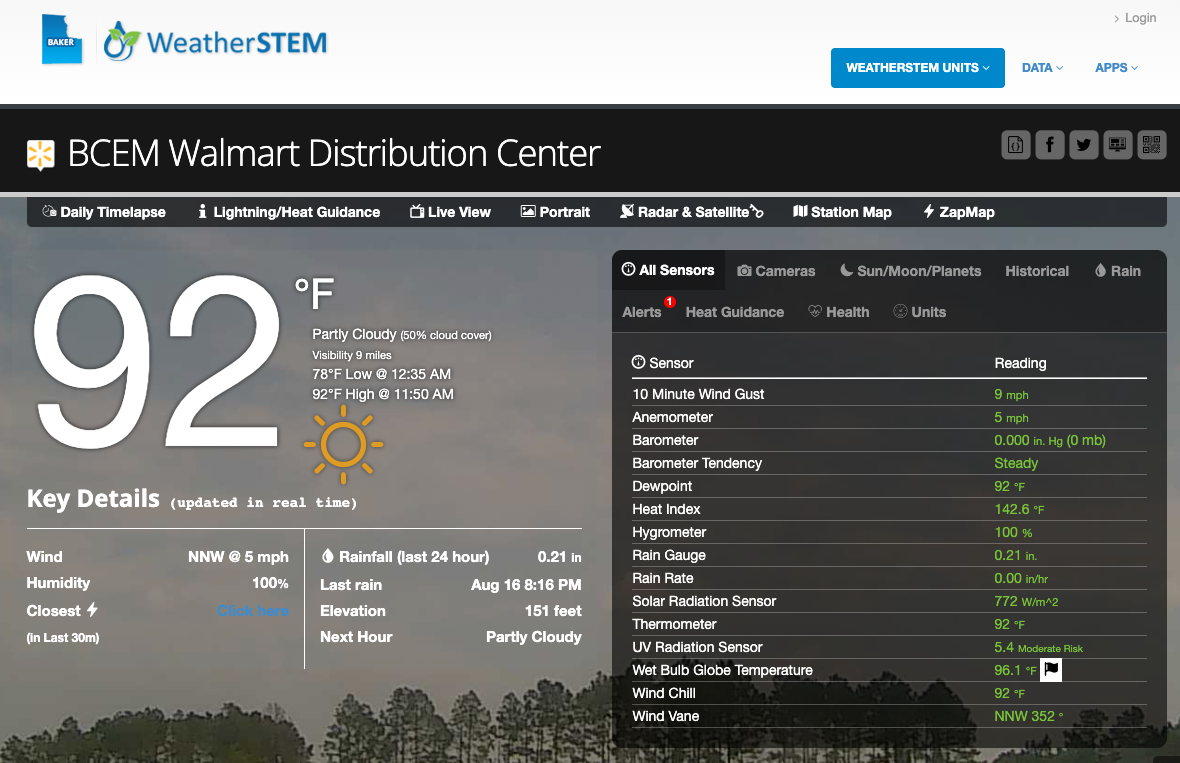
Automated alerts reduce reliance on individual judgment and create a timestamped record of when the decision to suspend activity was made. Effective monitoring combines weather forecasts, radar, lightning detection, and automated alerts so staff can respond before conditions become dangerous.
How Should Schools Communicate Lightning Risks?
Lightning decisions must travel fast. Establish clear channels so the person monitoring conditions can immediately reach teachers, coaches, recess monitors, and administrators. Depending on the campus, communication may include text alerts, radios, public-address systems, outdoor warning systems, or mobile notifications.
Notify families promptly when activities are suspended or relocated, especially for after-school programs. Document significant notifications as part of your protocol’s recordkeeping.
How Can Schools Train Staff to Respond to Lightning?
Every adult who supervises outdoor time should know the 30 minutes after the last lightning strike rule, the location of the nearest substantial shelter, and exactly who has authority to stop activities. Practice the procedures during staff meetings or safety drills so the response becomes automatic.
Training should also cover recognizing the early signs of a developing thunderstorm and the importance of not waiting for rain before acting. Lightning can occur well before rain begins. In California, this is especially important because some thunderstorms produce little rainfall while still posing a serious lightning threat.
Conclusion
Lightning does not give long warning, and hesitation increases risk. A written procedure that defines thresholds, assigns clear authority, supports real-time monitoring, and trains staff to act immediately turns a sudden hazard into a managed one.
Review your current extreme weather protocol and consider whether lightning procedures should be included, particularly if your district regularly conducts outdoor activities during thunderstorm season. Make sure every outdoor supervisor understands the plan and can act quickly when conditions change.
Looking to strengthen your school's lightning safety procedures? Contact Weatherstem to learn how real-time lightning detection and automated alerts can support your weather safety protocol.
FAQ
How far away can lightning strike from a thunderstorm?
Lightning can strike several miles away from the main thunderstorm, even when skies overhead appear clear. Schools should monitor approaching storms and follow established procedures before lightning reaches campus.
What is considered safe shelter during a lightning storm?
Safe shelter includes substantial buildings with plumbing and electrical wiring or fully enclosed hard-top vehicles. Dugouts, picnic shelters, tents, and bleachers do not provide adequate protection from lightning.
Does California SB 1248 require lightning procedures?
The California Department of Education's standardized guidance focuses on heat, air quality, excessive precipitation, and flooding. While lightning is not specifically identified, many districts include lightning procedures as part of a comprehensive weather safety program because thunderstorms can quickly create unsafe conditions for outdoor activities.
Related SB 1248 Resources
- What California SB 1248 Requires for Schools
- How to Create an Extreme Weather Protocol for California Schools
- Heat Safety Protocols for Schools
- Air Quality Protocols for Schools
- Heavy Rain and Flooding Protocols for Schools
- SB 1248 Compliance Checklist
- California SB 1248 Compliance Guide

Weatherstem provides real-time weather monitoring, lightning detection, and automated alerting systems for emergency management, government agencies, athletics programs, and commercial operations. 900+ stations deployed nationwide.
Weatherstem
Real-time weather monitoring built for compliance and life-safety decisions.
Professional hardware, dual lightning detection, automated alerts, and permanent data logging — installed and managed for you. Used by emergency management agencies, athletic programs, and government operations nationwide.
Book a Free Demo