Lightning detection sounds technical, but the idea is simple: a detection network reports real strikes the moment they are observed and pinpoints where they landed. Understanding how that works, and why the data source behind it matters, makes it easier to judge whether a system fits your site.
How a strike gets detected
Every lightning strike releases a burst of radio energy. Ground-based sensor networks spread across the country pick up that burst at multiple stations at once. By comparing the exact time the signal reaches each station, the network calculates where the strike occurred, often within a few hundred meters, along with its strength and whether it was cloud to ground or cloud to cloud.
This happens in real time. By the time a strike has finished, the network has already located it. Detection reports observed strikes measured against your thresholds, which is a different input than an estimate of atmospheric risk. See prediction versus detection for how the two approaches compare.
What the National Lightning Detection Network provides
The National Lightning Detection Network, or NLDN, is the long-established reference network for strike data across the United States, and it is the primary lightning-data source behind Weatherstem lightning alerting. When a strike is reported inside the alert ring you have drawn around your fields, campus, or job site, that data is what tells the Practical Lightning Assistant to send an alert and start the countdown to all clear.
Why the data source matters
A detection system is only as good as the data feeding it, so it is worth asking what a system relies on and what happens if that source is disrupted. Weatherstem uses NLDN as the primary source with AccuWeather as a secondary source intended to support continuity. When you compare systems, ask how each one handles a data, power, or connectivity disruption.
From detection to action
Detecting a strike is only useful if it triggers the right response. On the Weatherstem platform, a reported strike inside your zone sends alerts by text, email, or voice, can trigger an outdoor warning siren, and starts the all clear timer. Once your interval passes with no new reported strikes, the all clear dispatches automatically. Every step is timestamped and logged. For how to put that into a written plan, see our lightning safety policy guide.
Frequently asked questions
How precise is lightning detection?
Modern networks locate strikes in real time, often within a few hundred meters, and report strike type and strength. Precision comes from multiple sensors triangulating the same strike.
Do I need hardware on site for lightning alerting?
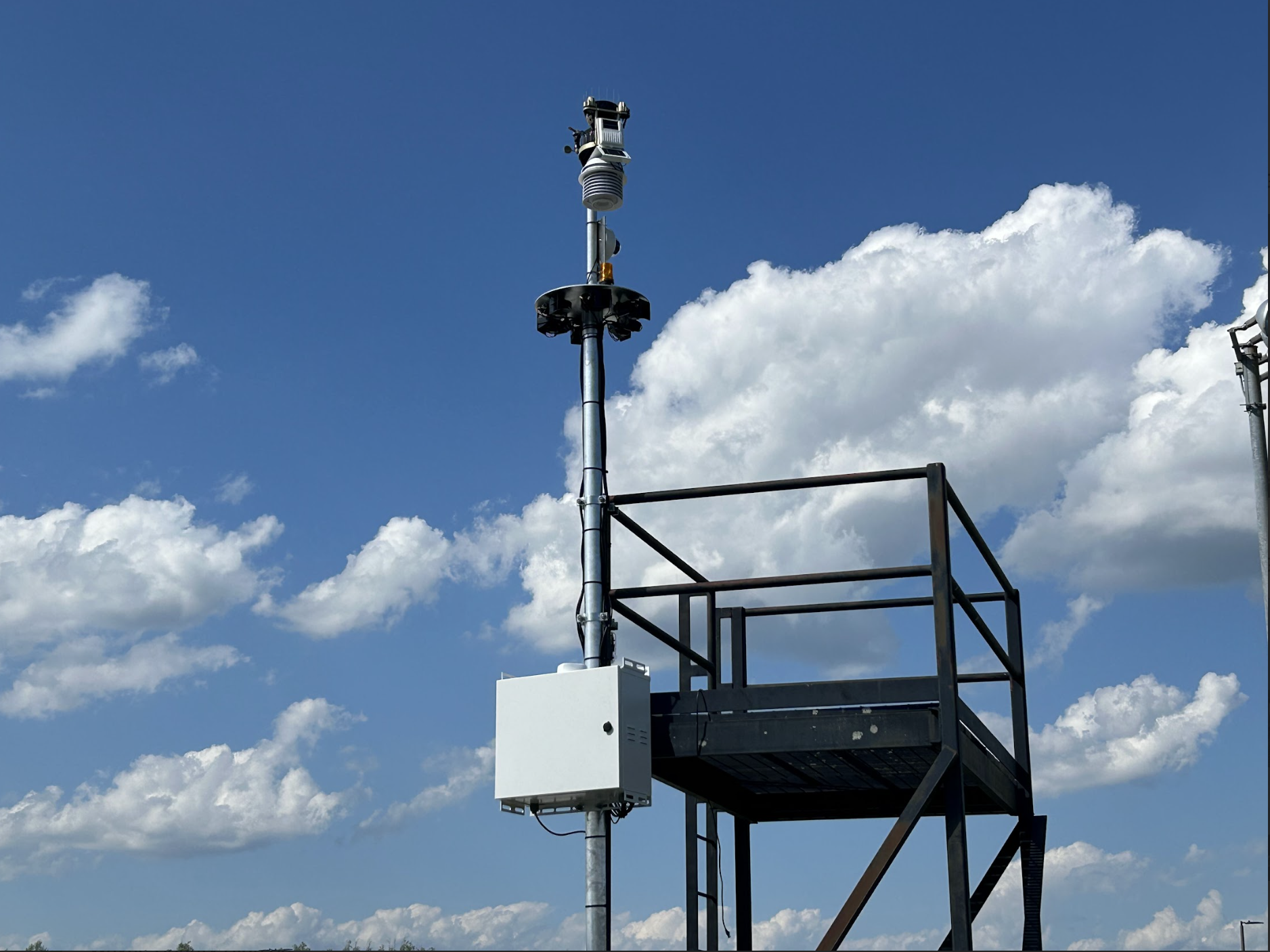
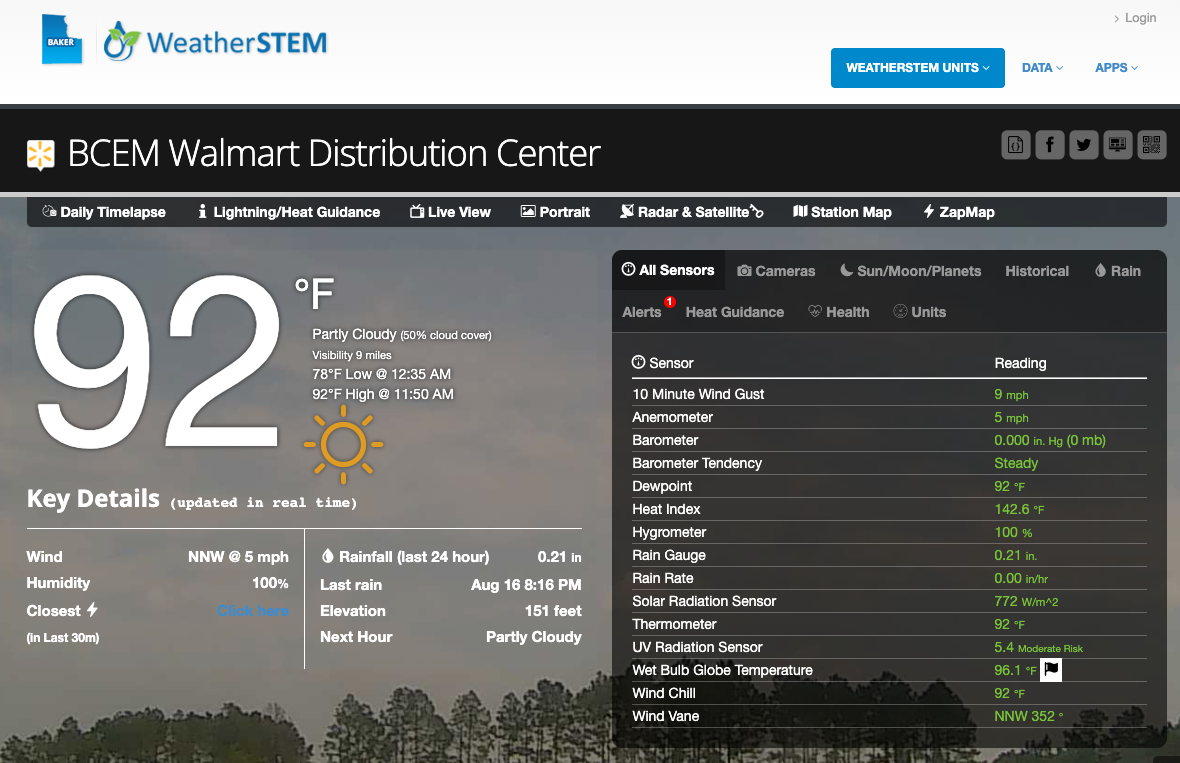
No. The lightning platform is cloud based and can be live quickly. Many sites add a Weatherstem station later for on-site readings and a live camera.
To see detection and automatic all clear working together, book a short demo, or compare approaches on our lightning system replacement page.