A parks and recreation department runs some of the most exposed public space in town: open ball fields, pools, playgrounds, trails, and event lawns, full of people who are not watching the sky. When lightning moves in, the responsibility for clearing those spaces falls on your staff. The right system makes that step automatic, documented, and fast.
Why parks carry outsized lightning risk
Most of your visitors are not your employees. They are families, league players, and weekend crowds who keep playing until someone tells them to stop. Your team cannot watch every field at once, and lightning can be reported well beyond the rain, so by the time a storm looks close the risk has been present for a while.
What automated lightning alerting looks like for a department
The goal is to make the response automatic. With the Practical Lightning Assistant, you draw an alert ring around each facility you manage. When a strike is reported inside it, the system notifies your staff automatically and can sound an outdoor warning siren across the property. When your all clear interval passes with no new reported strikes, it signals that it is safe to resume, on its own, with no stopwatch to watch. For how the underlying approach works, see prediction versus detection.
The procurement advantage parks departments have
Emergency management purchases can move through long procurement cycles. Parks departments often move faster, because the buyer, the budget, and the responsibility sit close together. A recreation director who has watched a crowded field during a storm rarely needs a long committee to understand the value.
A public safety tool the whole community can use
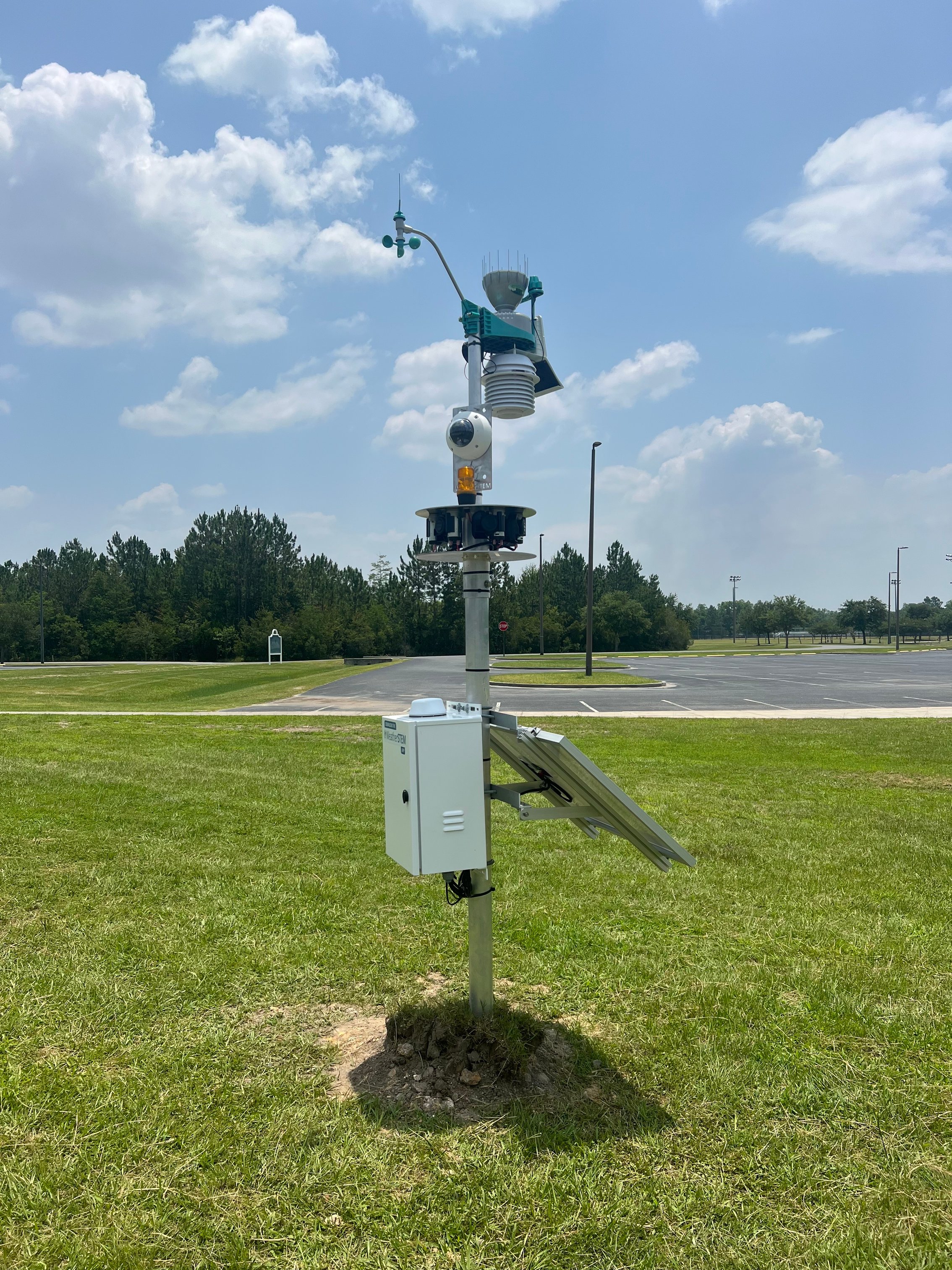
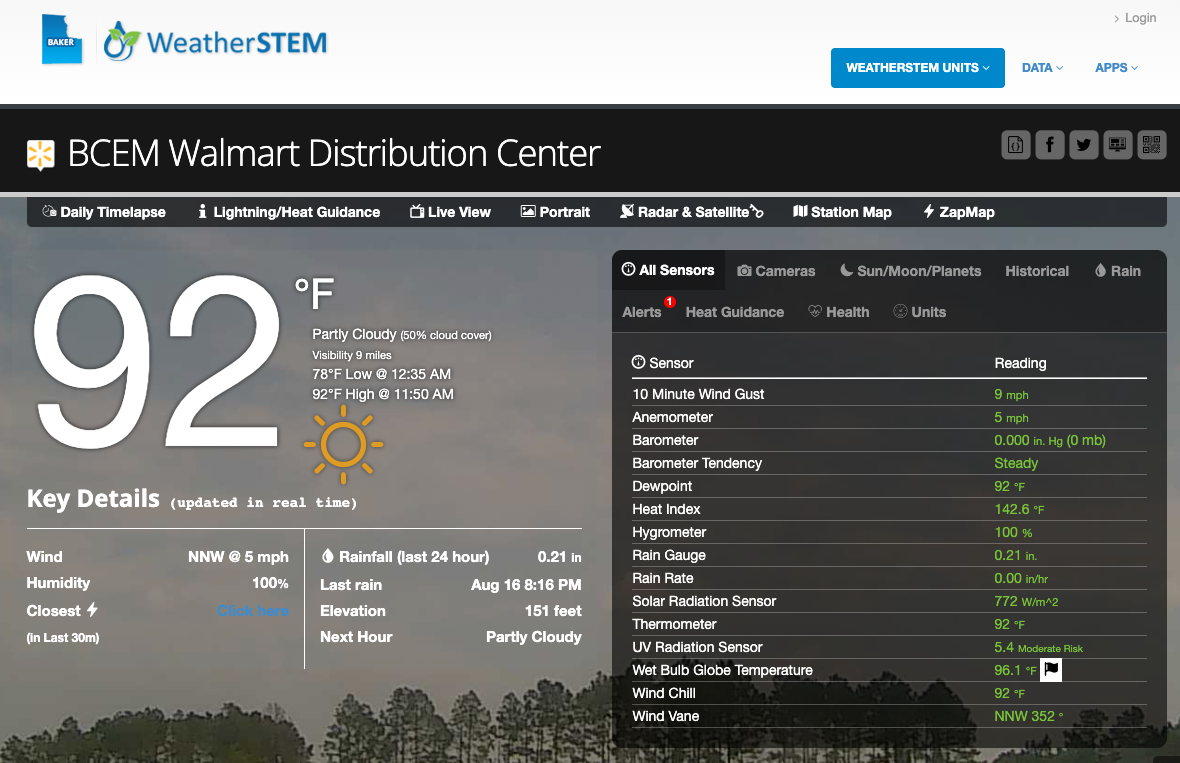
Every alert links to a mobile-friendly summary page showing the countdown, radar, and live conditions, with no login or app required. Post a QR code on signage at a field or pool, and anyone in that public space can pull up local lightning status with a scan. A weather station also gives you wind, heat, and air quality data that helps you manage events and protect visitors well beyond lightning.
Frequently asked questions
Can one system cover multiple parks?
Yes. You can set separate alert zones and rules for each facility you manage, so every site is covered on its own terms from a single platform.
Does it require staff to monitor it?
No. Alerts, the siren, and the all clear run automatically. Your team is notified and the public can be warned without anyone watching a screen.
If you manage public fields and want the lightning response automated and documented, see our lightning system replacement page, or book a demo.