How to Build an Emergency Management Weather Monitoring Program
Introduction
Weather affects nearly every emergency management mission, from daily operations to major disaster response. Yet many agencies still rely primarily on forecasts and warning products without a formal strategy for collecting, monitoring, and sharing local weather information.
A weather monitoring program provides emergency managers with real-time situational awareness before, during, and after weather events. It helps support operational decisions, improve coordination across agencies, and create a more complete understanding of local conditions.
Building a weather monitoring program does not happen overnight. The most effective programs are developed in phases, beginning with clearly defined operational objectives and expanding over time as needs evolve.
This guide outlines the key questions, decisions, and components involved in creating a scalable emergency management weather monitoring program.
What Problems Are You Trying to Solve?
Before selecting equipment or software, define the operational challenges your program is intended to address. Every jurisdiction faces different weather risks and operational priorities.
Questions to consider:
- What weather hazards affect your jurisdiction most frequently?
- Which weather-related decisions are made on a regular basis?
- Where are your current situational awareness gaps?
- What weather information would improve operational decision-making?
Common hazards may include:
- Hurricanes and tropical storms
- Flooding and flash flooding
- Severe thunderstorms
- Tornadoes
- Extreme heat
- Winter weather
- Wildfires and smoke
A successful weather monitoring program starts with operational needs, not technology.
Who Will Use the Weather Data?
Weather information often supports far more than emergency management personnel. Identifying stakeholders early helps ensure the program meets the needs of all users and encourages broader adoption. Potential users may include:
- Emergency management staff
- Emergency Operations Center personnel
- Fire rescue agencies
- Law enforcement
- Public works departments
- Utilities
- School districts
- Parks and recreation departments
- Municipal partners
Questions to consider:
- Who needs access to weather information?
- What information does each stakeholder require?
- How will weather information be shared during routine operations and emergencies?
The broader the stakeholder involvement, the more value the program can provide across the community.
What Weather Data Should You Monitor?
The weather data you collect should directly support the hazards and decisions identified earlier in the planning process.
Core Weather Observations
Most programs begin with:
- Temperature
- Humidity
- Wind speed
- Wind direction
- Rainfall
- Barometric pressure
Advanced Monitoring Capabilities
Depending on local risks, agencies may also benefit from:
- Lightning detection
- Flood monitoring
- Water level monitoring
- Air quality monitoring
- Road weather observations
Visual Intelligence
Many agencies supplement weather observations with:
- Weather cameras
- Flood cameras
- Infrastructure cameras
- Coastal monitoring cameras
Different hazards require different monitoring approaches. The goal is to collect information that supports operational decisions rather than simply accumulating data.
How Will Weather Information Support Decision-Making?
A weather monitoring program should be designed around decisions, not observations.
The most effective programs establish clear connections between weather conditions and operational actions.
Examples include:
- Activating the EOC
- Staging response resources
- Opening shelters
- Deploying public works crews
- Issuing public safety messaging
- Closing roads
- Suspending outdoor operations
Questions to consider:
- What decisions are influenced by weather?
- What information is needed to support those decisions?
- What thresholds trigger operational actions?
When weather monitoring is tied directly to decision-making, agencies can respond faster and with greater confidence.
How Do You Create a Weather Monitoring Dashboard for the EOC?
Emergency managers often rely on multiple sources of weather information. Bringing those sources together into a single operational view can significantly improve situational awareness.
A weather monitoring dashboard may include:
- Forecast information
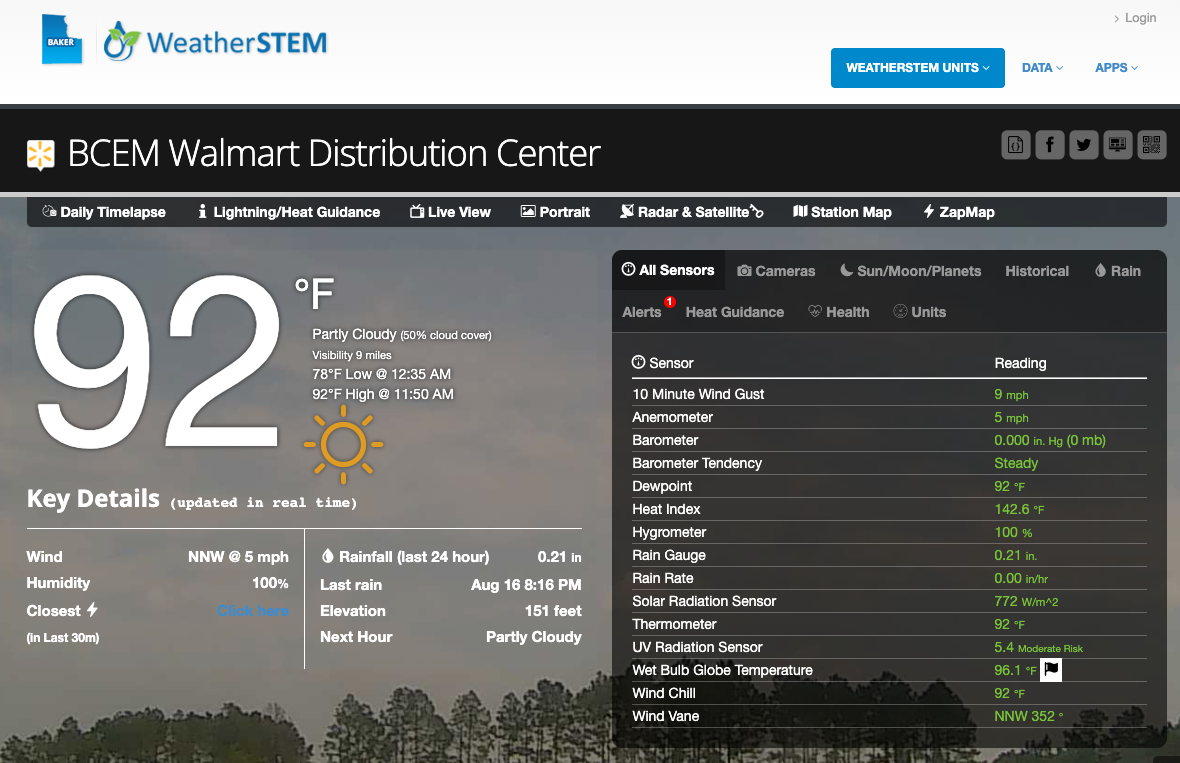
- Local weather observations
- Radar imagery
- Weather cameras
- Alerts and notifications
- Incident information
Questions to consider:
- What information should be visible during routine operations?
- What additional information is needed during activations?
- How will information be displayed to leadership and partner agencies?
The goal is to provide decision-makers with timely access to critical information without requiring them to switch between multiple systems.
How Do You Create a Common Operating Picture Across Agencies?
Weather information becomes more valuable when it is shared across partner organizations. A common operating picture helps ensure that all stakeholders are working from the same information during an incident.
Benefits include:
- Improved coordination
- Reduced confusion
- Faster decision-making
- Consistent public messaging
- Enhanced resource management
Questions to consider:
- Which agencies need access to weather information?
- How will information be shared?
- What information should be visible to all partners?
A shared understanding of weather conditions can improve coordination throughout the response and recovery process.
Where Should Weather Stations Be Installed?
Weather station placement plays a critical role in the effectiveness of a monitoring program.
Locations should be selected based on operational needs and hazard exposure.
Potential installation locations include:
- Emergency Operations Centers
- Public safety facilities
- Flood-prone roadways
- Coastal areas
- Schools and shelters
- Parks and recreation facilities
- Critical infrastructure sites
Questions to consider:
- Where are the highest-risk locations?
- Where do weather conditions vary significantly?
- Which facilities are mission critical?
- Where would additional situational awareness provide the greatest value?
The objective is to maximize operational coverage while balancing available resources.
How Should You Build a Weather Camera Strategy?
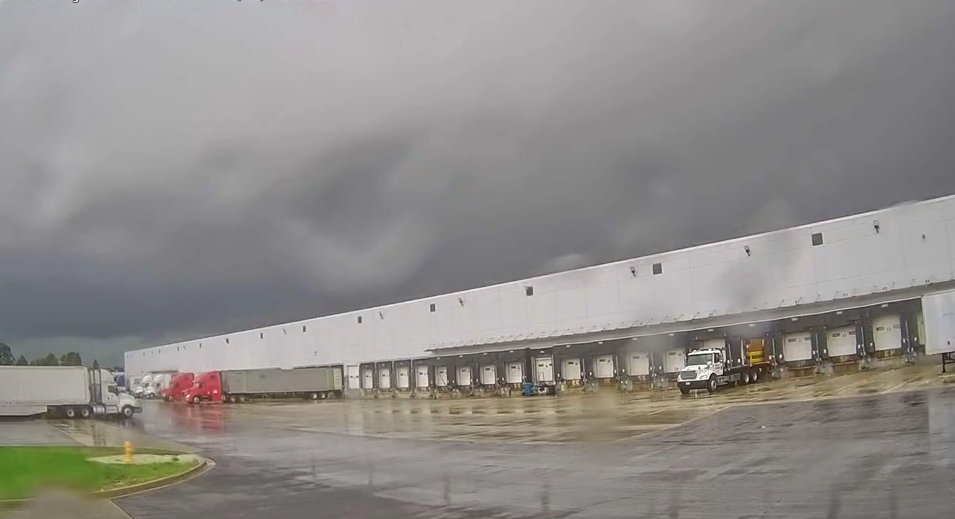
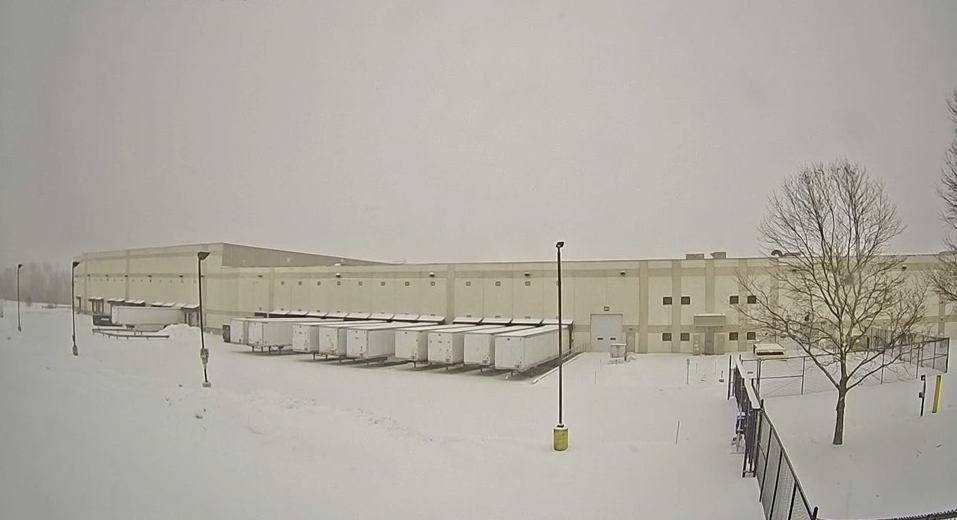
Weather cameras provide visual confirmation that weather observations alone cannot deliver.
They can help emergency managers assess impacts, verify conditions, and support operational decisions.
Common applications include:
- Flood verification
- Storm impact monitoring
- Infrastructure monitoring
- Coastal condition monitoring
- Public information support
Questions to consider:
- Which locations require visual confirmation?
- Should cameras focus on roadways, waterways, facilities, or open areas?
- How will imagery be shared during incidents?
In many cases, cameras become one of the most frequently used situational awareness tools during weather events.
What Automated Alerts Should Your Program Provide?
Alerts should help personnel focus on conditions that require action. Poorly designed alerting systems can create notification fatigue and reduce effectiveness.
Potential alert types include:
- Lightning alerts
- Heavy rainfall alerts
- Flood alerts
- High wind alerts
- Extreme heat alerts
- Air quality alerts
Questions to consider:
- Who receives alerts?
- What thresholds trigger notifications?
- Which alerts require specific actions?
- How will alerts be delivered?
The best alerts are directly tied to operational procedures and response actions.
How Do You Build Redundancy Into a Weather Monitoring Program?
Weather monitoring systems are often needed most during extreme weather events.
Building redundancy helps ensure critical information remains available when conditions deteriorate.
Areas to consider include:
- Multiple observation sites
- Backup communications
- Alternative power sources
- Cloud-based data access
- Mobile accessibility
- Redundant internet connectivity
A resilient monitoring program should continue operating even when parts of the community experience outages or damage.
How Do You Establish Policies, Procedures, and Training?
Technology alone does not create an effective weather monitoring program. Agencies should establish clear procedures for monitoring conditions, responding to alerts, and documenting decisions.
Topics to address include:
- Standard operating procedures
- Alert response procedures
- EOC activation protocols
- Staff training
- Exercise integration
- After-action reviews
Questions to consider:
- Who is responsible for monitoring weather?
- Who responds to alerts?
- How are decisions documented?
- How often should training occur?
Policies and training help ensure weather information is used consistently across the organization.
How Do You Build a Countywide Weather Monitoring Network?
Most agencies do not deploy a large monitoring network all at once. Successful programs often grow in phases.
Phase 1: Establish a Core Monitoring Site
- EOC weather station
- Primary weather camera
- Basic alerting
Phase 2: Expand to Critical Facilities
- Public safety facilities
- Shelters
- Operations centers
Phase 3: Address High-Risk Areas
- Flood-prone locations
- Coastal zones
- Transportation corridors
Phase 4: Partner Across the Community
- Municipal agencies
- School districts
- Utilities
- Regional partners
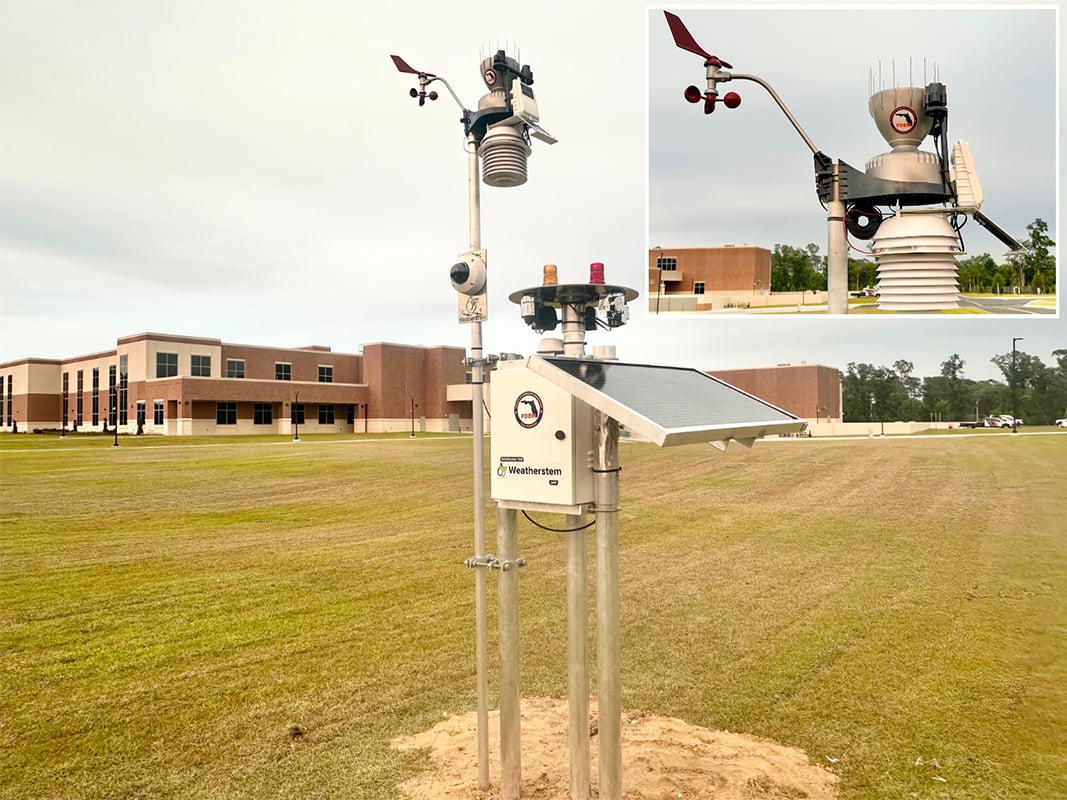
A phased approach allows agencies to expand coverage while maintaining long-term sustainability. A great example of these is the network of weather stations across Lee County. From the Department of Public Safety Headquarters to various schools, parks, and utilities, weather stations have been deployed across the county.
Many agencies fund this kind of phased buildout through federal grants rather than local budgets. See which programs may apply in our guide to FEMA grants for weather monitoring.
How Do You Measure Success?
Measuring outcomes helps justify investments and identify opportunities for improvement. Potential indicators include:
- Improved situational awareness
- Faster operational decision-making
- Better resource deployment
- Increased stakeholder participation
- Reduced operational surprises
- Enhanced public safety outcomes
Questions to consider:
- Are decisions being made more quickly?
- Are stakeholders actively using the system?
- Has weather-related coordination improved?
- Are operational gaps being reduced?
Regular evaluation helps ensure the program continues to meet evolving needs.
Emergency Management Weather Monitoring Program Checklist
Use this checklist when developing or expanding your program:
- Identify primary weather hazards
- Define operational objectives
- Identify stakeholders and users
- Determine required weather data
- Develop a dashboard strategy
- Establish a common operating picture
- Select weather station locations
- Develop a weather camera strategy
- Define alert thresholds
- Build system redundancy
- Create SOPs and training programs
- Plan for future network expansion
- Measure performance and outcomes
Conclusion
Effective weather monitoring programs begin with clearly defined operational objectives and grow over time as needs evolve.
The most successful programs combine weather observations, visual intelligence, automated alerts, centralized dashboards, and established procedures to support decision-making.
By building a scalable weather monitoring network, emergency management agencies can improve situational awareness, strengthen coordination, and enhance preparedness, response, and recovery operations. If your agency is ready to move from forecasts to a fully operational weather intelligence program, contact Weatherstem to design a system built around your emergency management needs at https://www.getweatherstem.com/contact-weatherstem
FAQ
Q1: What is an emergency management weather monitoring program?
An emergency management weather monitoring program is a structured system that combines weather stations, alerts, dashboards, and procedures to support operational decision-making.
Q2: Why do emergency management agencies need local weather monitoring?
Local monitoring improves situational awareness by providing real-time conditions that forecasts alone cannot capture, especially during fast-changing events like flooding or severe storms.
Q3: How do you start building a countywide weather monitoring network?
Most agencies begin with an EOC-based system, then expand to critical facilities, high-risk areas, and eventually partner agencies to create countywide coverage.

Weatherstem provides real-time weather monitoring, lightning detection, and automated alerting systems for emergency management, government agencies, athletics programs, and commercial operations. 900+ stations deployed nationwide.
Weatherstem
Real-time weather monitoring built for compliance and life-safety decisions.
Professional hardware, dual lightning detection, automated alerts, and permanent data logging — installed and managed for you. Used by emergency management agencies, athletic programs, and government operations nationwide.
Book a Free Demo