Preparing for Hurricane Season
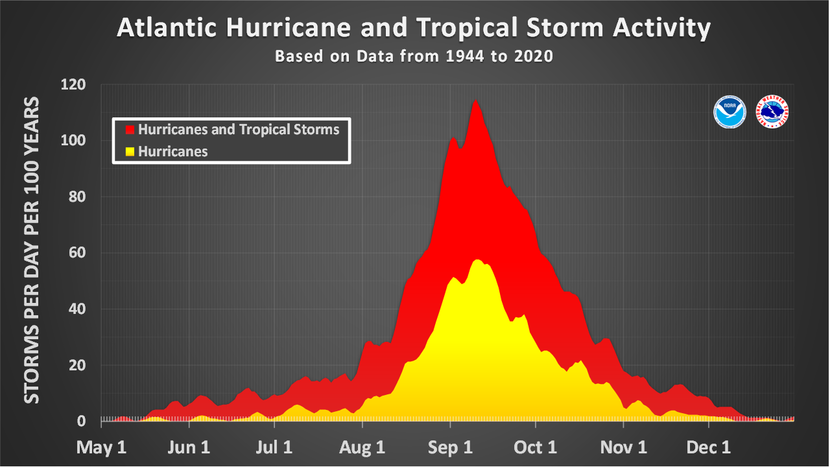
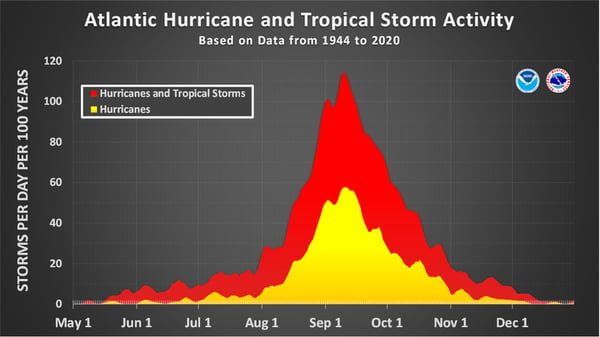
The Atlantic Hurricane season starts June 1 and runs through November 30. Preparedness should start well before the season begins, but it's an ongoing process that needs to be constantly examined and evaluated. Recent seasons serve as a reminder that it only takes one storm to create widespread impacts. Hurricanes can bring destructive winds, devastating surge, inland flooding, extended power outages, and recovery operations that last for months or even years. A structured checklist can help emergency managers identify gaps before hurricane season ramps up.
What Should County Emergency Managers Do Before Hurricane Season Starts?
One of the first things emergency managers should do is review hurricane annexes. These are simply an expansion of emergency response plans whose parent is the Comprehensive Emergency Management Plan (CEMP) or the Emergency Operations Plan (EOP). They outline the specific missions, policies, and operational coordination processes that are required before, during, and after a hurricane. These annexes detail how federal, state, and local agencies deploy resources to save lives and manage impacts during hurricanes. Counties coordinate with their State Watch Office or State EOC during activations.
Be sure to update the county's emergency plans for the year as well and refresh contact lists. While no two storms or seasons are the same, it's important to incorporate lessons learned during previous events. After-action reports often reveal communication gaps, resource shortfalls, or operational challenges that can be addressed before the next storm threatens your community.
What Weather Hazards from Tropical Cyclones Can I Expect in my County?
Multiple threats can occur with each tropical system, including storm surge, inland flooding, high winds, and even tornadoes. Determine what risk is most likely in your county. Coastal counties can experience all weather hazards while counties further inland will escape storm surge but could be more prone to inland flooding.
The deadliest hazards from tropical cyclones tend to be those associated with water. Storm surge often gets the most attention but inland flooding can be just as dangerous. In fact, over the past 30 years in land flooding has been responsible for more than half of the deaths associated with tropical cyclones in the United States.
How Can Emergency Managers Prepare Weather Monitoring and Situational Awareness Before a Hurricane?
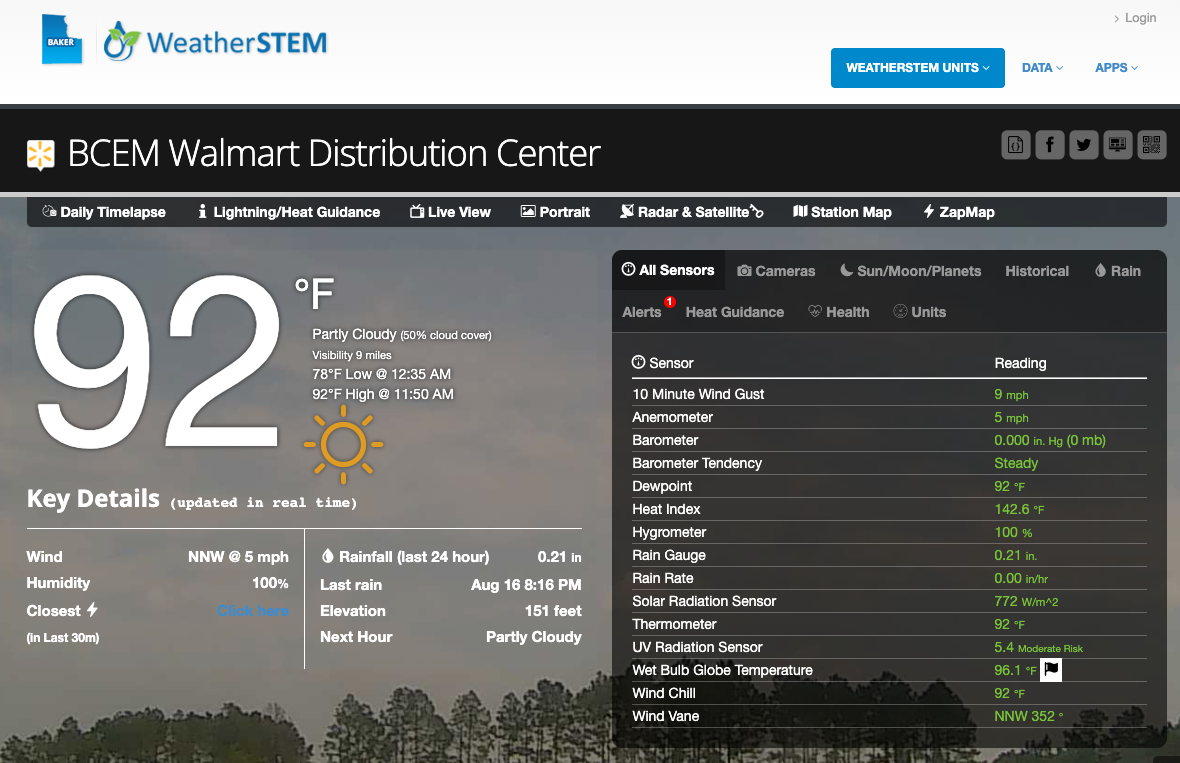
Emergency managers often monitor information from multiple sources, including forecasts, radar, river gauges, and local observations. Having access to reliable local weather data and actionable alerts can help simplify decision-making before and during a hurricane. Weatherstem combines on-site weather observations, forecasts, cameras, and customizable alerts into a single platform, giving emergency managers a more complete picture of conditions across their jurisdiction.
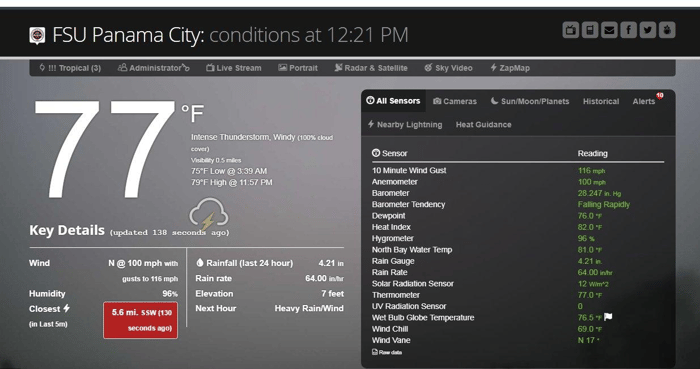
Weatherstem operates real-time weather networks across multiple states, including the Florida Severe Weather Mesonet, which provides weather monitoring statewide across nearly all 67 Florida counties. This network is the largest of its kind. See how Weatherstem supports county emergency managers, contact us here
How Should Counties Prepare Critical Infrastructure, Shelters, and Evacuation Plans?
Critical infrastructure includes things like emergency operation centers, power systems, hospitals, water and wastewater facilities, communication networks, and transportation assets.
As far as shelters go, assess how shelters worked the last time a hurricane occurred. Did each place have enough supplies and adequate facilities? Has a new public building opened that would be a better shelter? Emergency managers should also review plans for Access and Functional Needs (AFN) shelters and verify that staffing, equipment, and medical support requirements are up to date.
Finally, evaluate evacuation plans and make sure to communicate any changes from previous years. Population growth, new development, construction projects, and roadway improvements can all affect evacuation timing and routing. Review evacuation plans annually and communicate any changes to the public before hurricane season intensifies.
What is the Ultimate Hurricane Preparedness Checklist for County Emergency Managers?
Hurricane preparedness is not a one-time task completed in May or June. It is a continuous process of reviewing plans, monitoring changing risks, and ensuring the tools needed to make critical decisions are ready before a storm threatens your community. Below is the ultimate checklist for hurricane preparedness.
Planning:
- Review hurricane annex
- Update contact lists
- Verify mutual aid agreements
Weather Monitoring
- Test weather monitoring equipment
- Confirm alert thresholds
- Verify forecast support procedures
Infrastructure
- Inspect EOC backup systems
- Review generator readiness
- Assess critical facilities
Communications:
- Test mass notification systems
- Validate public messaging templates
- Confirm backup communications
Operations
- Review staffing plans
- Conduct tabletop exercise
- Verify resource inventories
Recovery:
- Update debris contracts
- Review damage assessment procedures
- Prepare recovery documentation process
What should emergency managers review before hurricane season?
Emergency managers should review hurricane annexes, update emergency plans, refresh contact lists, verify mutual aid agreements, and incorporate lessons learned from previous storms.
Why is local weather monitoring important during hurricanes?
Local weather monitoring provides real-time observations that can help emergency managers make informed decisions regarding evacuations, shelter operations, and resource deployment.
How often should counties update hurricane evacuation plans?
Counties should review evacuation plans annually and whenever significant population growth, roadway changes, or new development could affect evacuation timing and routing.

Weatherstem
Real-time weather monitoring built for compliance and life-safety decisions.
Professional hardware, dual lightning detection, automated alerts, and permanent data logging — installed and managed for you. Used by emergency management agencies, athletic programs, and government operations nationwide.
Book a Free Demo