Two programs can take the exact same WBGT readings and end up in very different places. The one that wrote the readings down, kept them on file, and built an emergency action plan around them can show it did the right thing. The one that read a meter and moved on cannot. The difference is documentation, and it is the part of the rule that gets the least attention.
What to record
The UIL directs schools to record the WBGT readings taken for outdoor practices and keep them on file. A defensible record for each reading captures:
- The reading and the time it was taken, within 15 minutes before the start and every 30 minutes during.
- The location, since a district may have several sites with different conditions.
- Who took it, ideally the same person across a practice window.
- The zone and any modification made, so the record shows the reading and the response together.
What the emergency action plan must include
The heat requirement is not only about slowing practice down. Each school's emergency action plan must include procedures for heat emergencies that provide onsite rapid cooling using cold-water immersion or an equivalent means. Alongside that, the rule calls for unrestricted access to water at all times and rest breaks with unlimited hydration. A student should never be denied water, and energy drinks are not a substitute.
- Cold-water immersion capability on site, such as a tub or a tarp method, available at the trigger.
- Named roles for who monitors, who responds, and who activates cooling.
- Athletics and band both covered, not athletics alone.
- Unrestricted water and true rest breaks written into the plan.
Why documentation is the part that fails
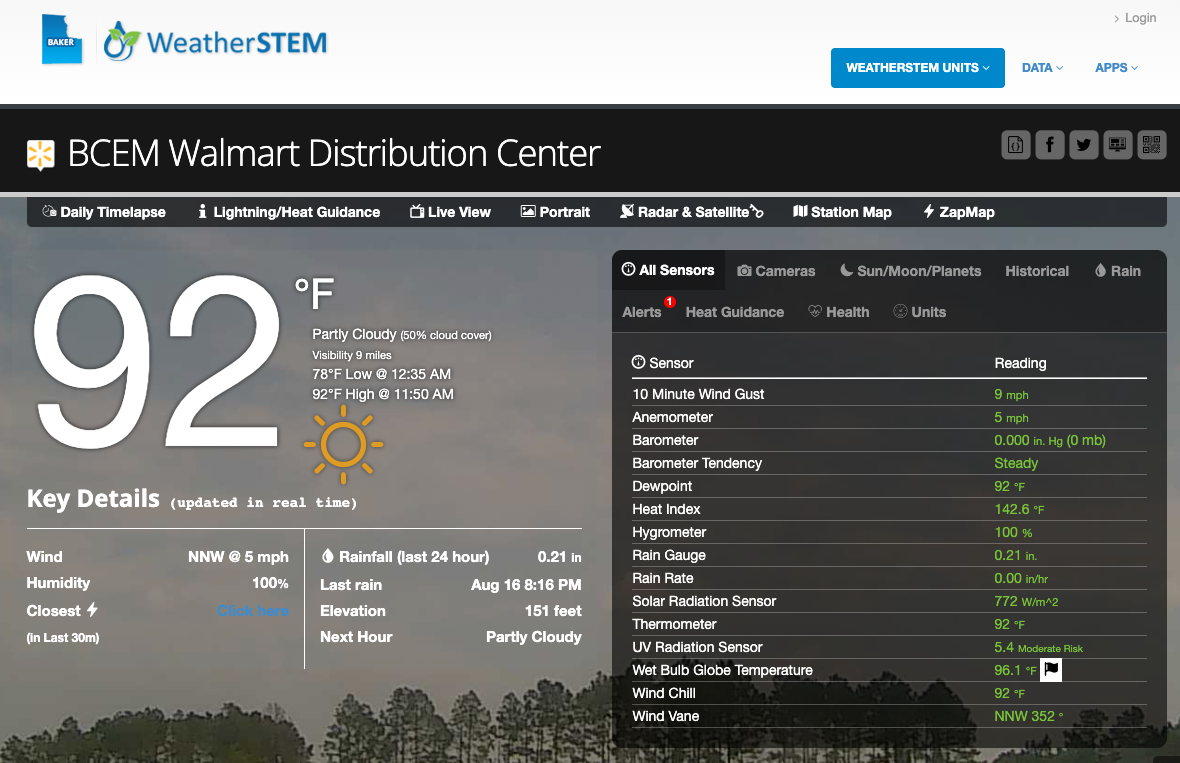
Taking a reading is a moment. Keeping a clean, complete, retrievable file of every reading across an entire season, at every site, is a system. When it depends on someone writing numbers on a clipboard during a hectic practice, readings get skipped, sheets get lost, and the file has gaps exactly where you would least want them. If anyone ever asks to see the records, the gaps are the problem, not the readings you did take.
How Weatherstem helps
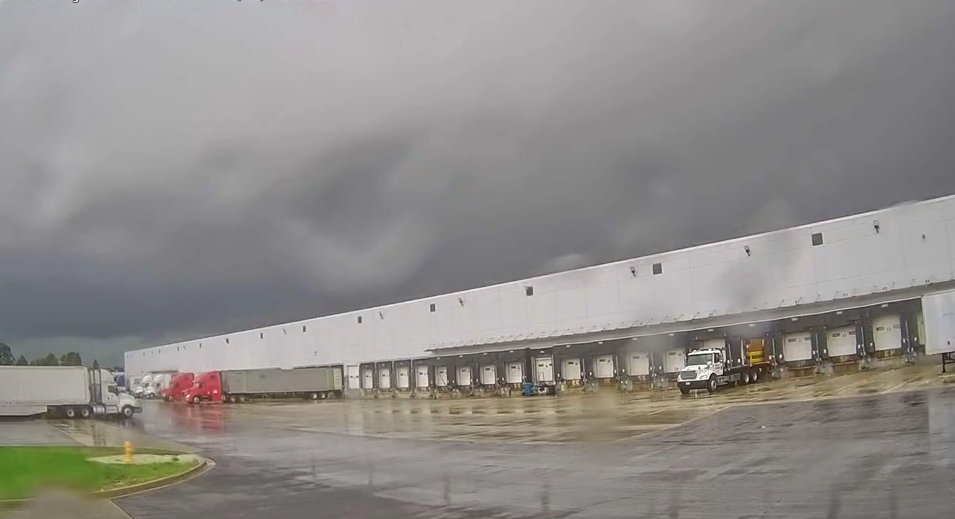
Weatherstem already operates stations across Texas, including at the University of Texas, Texas A&M, and Texas Motor Speedway, and more than 900 nationwide. The station records WBGT continuously with timestamps, so the file builds itself instead of depending on a clipboard, it exports a clean record for any site and date range on demand, and its zone-transition alerts prompt the cooling response on time, which is what the emergency action plan is there to ensure.
Frequently asked questions
What WBGT records does the rule require?
Schools should record the WBGT readings taken for outdoor practices and keep them on file. Readings are taken within 15 minutes before the start and every 30 minutes during, ideally by the same person.
What must the EAP include for heat?
Procedures for heat emergencies that provide onsite rapid cooling using cold-water immersion or an equivalent means, plus unrestricted access to water and rest breaks with unlimited hydration.
How long should records be kept?
The rule directs schools to record and keep readings on file. Districts commonly retain them through at least the activity year and align with their records policy. Confirm your district's retention schedule with administration.
Keep going with the district compliance checklist, the activity thresholds, or the full Texas UIL WBGT mandate guide.
Weatherstem is not affiliated with or sponsored by the University Interscholastic League. References to the UIL are for informational purposes only.

Weatherstem provides real-time weather monitoring, lightning detection, and automated alerting systems for emergency management, government agencies, athletics programs, and commercial operations. 900+ stations deployed nationwide.
Weatherstem
Real-time weather monitoring built for compliance and life-safety decisions.
Professional hardware, dual lightning detection, automated alerts, and permanent data logging — installed and managed for you. Used by emergency management agencies, athletic programs, and government operations nationwide.
Book a Free Demo