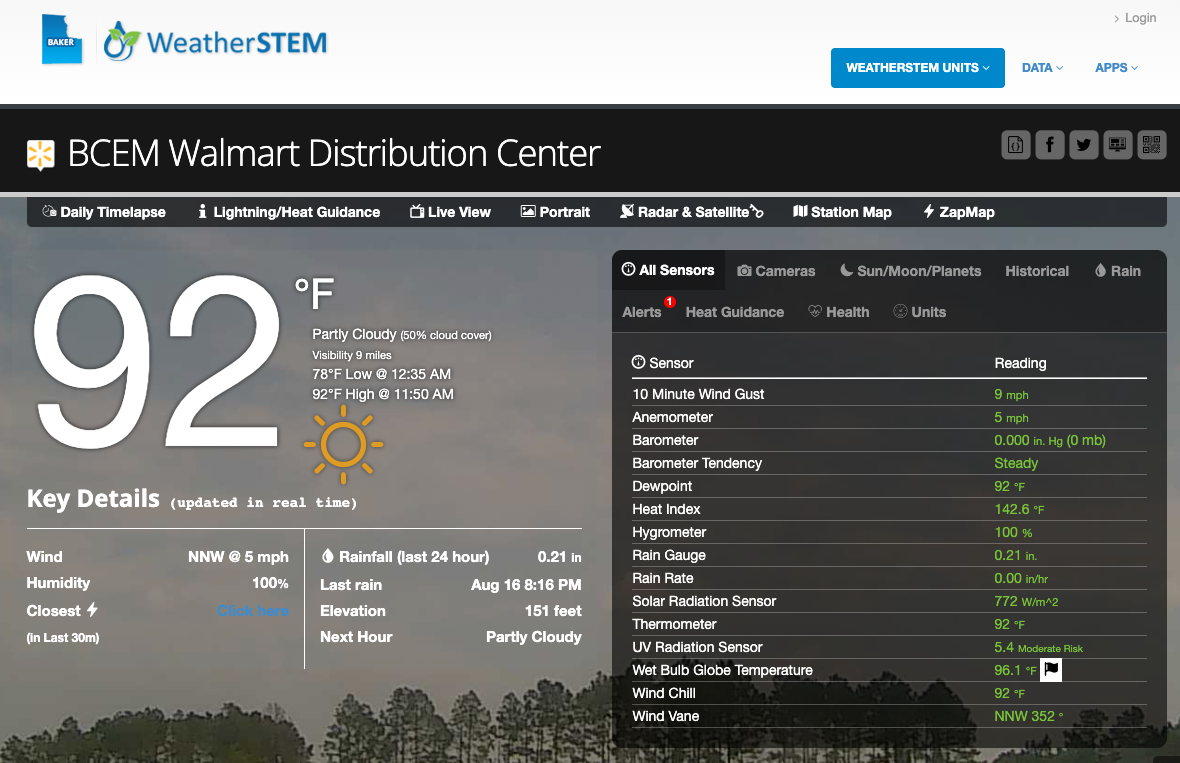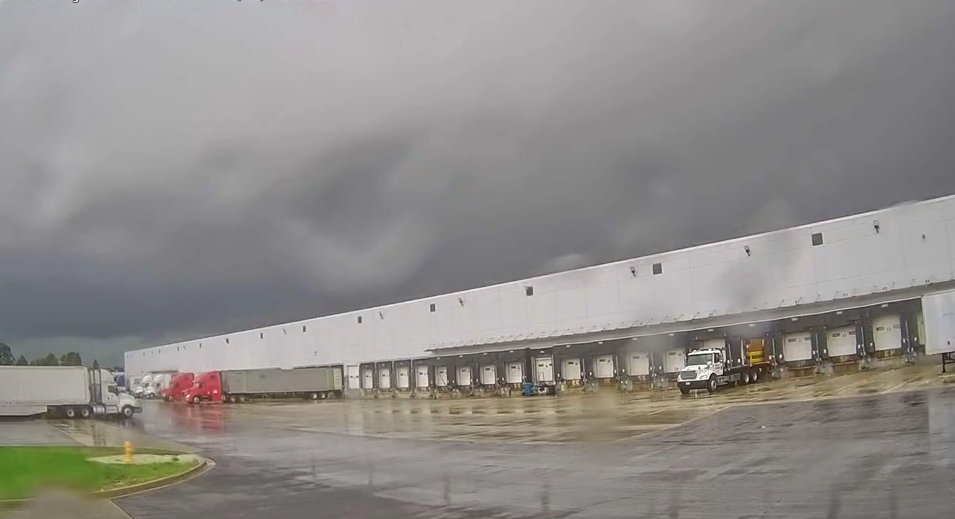

For years, lightning safety has been the cornerstone of athletic weather protocols, and for good reason. But lightning is no longer the only environmental hazard athletic departments need to plan for. Air quality has become a regular part of the conversation, and departments that treat it with the same seriousness as lightning are better equipped to protect athletes, staff, and spectators.
Why Athletic Departments Need to Monitor More Than Lightning
Lightning safety protocols remain critical, and no athletic department should scale back its lightning monitoring. But lightning is just one of several environmental hazards that can affect outdoor practices and events. Heat and humidity, poor air quality, wildfire smoke, severe storms, and high wind all pose real risks to athletes, and each requires its own set of thresholds and response procedures.
Air quality in particular deserves the same proactive monitoring mindset that departments already apply to lightning. Just as a lightning strike within a certain radius triggers a clear protocol, elevated AQI or PM2.5 levels should trigger a similarly clear, well-rehearsed response. The hazard looks different, but the operational logic is the same: know the conditions, set thresholds in advance, and act on data rather than guesswork.
What Air Quality Conditions Should Athletic Departments Monitor?
Air quality isn't a single metric. A complete picture typically includes:
- AQI (Air Quality Index): the standardized, easy-to-communicate scale used to describe overall air quality risk.
- PM2.5: fine particulate matter concentration, often the primary driver of poor air quality during wildfire smoke events.
- Ozone: a pollutant that tends to rise on hot, sunny days and can also drive elevated AQI readings, independent of particulate matter.
- Wildfire smoke: both regional smoke forecasts and local, on-site conditions, since smoke can arrive well ahead of or persist well after a headline wildfire event.
- Other environmental conditions, depending on the monitoring system in place, such as temperature, humidity, and wind, which can all influence how air quality is experienced during physical activity.
Depending on the sophistication of an athletic department's monitoring setup, some or all of these can be tracked in combination, giving a more complete view of conditions than any single data point on its own.
Why Real-Time Air Quality Data Matters on Game Day
A forecast is a starting point, not a guarantee. Air quality conditions can shift meaningfully between the time a forecast is issued and the time an event actually takes place, particularly during wildfire smoke season when wind direction and intensity can change quickly.
Regional air quality readings, the kind reported by national apps and websites, are also not necessarily representative of a specific venue. A monitoring station miles away may report conditions that differ from what's actually happening on a practice field or in a stadium.
This is where continuous, real-time monitoring becomes valuable. Rather than relying on a single forecast checked earlier in the day, athletic staff with access to current, on-site conditions can make decisions based on what's actually happening at kickoff, first pitch, or first whistle, not what was expected hours earlier.
How Automated Air Quality Alerts Support Athletic Operations
Monitoring conditions is only useful if the information reaches the right people at the right time. This is where automated alerting becomes an operational advantage.
Athletic departments can establish specific thresholds for AQI, PM2.5, or other measured conditions, and configure automatic notifications that trigger the moment those thresholds are crossed. This removes the burden of having someone manually check a website or app throughout the day, which is easy to overlook during a busy game day or practice schedule.
Automated alerts also give athletic staff, coaches, athletic trainers, and administrators a single, common source of information. Instead of different people checking different sources and potentially reaching different conclusions, everyone is working from the same data at the same time. That consistency supports faster, more confident decisions, and reduces the chance of a delayed or inconsistent response.
How Air Quality Monitoring Fits Into an Athletic Safety Plan
Air quality monitoring works best when it's built into an athletic department's existing weather safety plan, not treated as a separate, ad hoc process. A well-structured plan should address:
- Who monitors conditions. Identify the specific role or staff member responsible for tracking air quality data before and during events.
- What the thresholds are. Define the AQI, PM2.5, or other measured values that trigger modified activity, relocation, or cancellation.
- Who makes the decision. Clarify who has the authority to act once a threshold is reached, so there's no ambiguity in the moment.
- How the decision is communicated. Establish a clear communication procedure for notifying coaches, athletes, officials, and families.
- How decisions are documented. Keep a record of conditions and the resulting decision, both for accountability and for refining protocols over time.
This structure mirrors what many athletic departments already have in place for lightning and severe weather, which makes air quality a natural extension of an existing plan rather than an entirely new process. For departments building or refining these procedures, our NCAA weather safety guidelines resource offers additional detail on aligning protocols with recommended best practices.
Air Quality Monitoring Should Be Part of a Broader Weather Safety Strategy
Air quality doesn't operate in isolation, and neither should the tools used to monitor it. Lightning, heat, severe weather, wind, and air quality are all pieces of the same operational picture, and athletic departments benefit from viewing them together rather than through separate, disconnected systems.
A unified monitoring approach means athletic staff aren't toggling between multiple apps or sources to piece together current conditions. Instead, lightning proximity, heat index, wind speed, storm tracking, and air quality data can all live in one place, feeding into the same alerting and decision-making process.
That's the idea behind "beyond lightning": not replacing lightning safety, but expanding the same disciplined, data-driven approach to the full range of environmental hazards athletic departments face. Air quality is simply the latest, and increasingly necessary, piece of that broader strategy.

Weatherstem provides real-time weather monitoring, lightning detection, and automated alerting systems for emergency management, government agencies, athletics programs, and commercial operations. 900+ stations deployed nationwide.
Weatherstem
Real-time weather monitoring built for compliance and life-safety decisions.
Professional hardware, dual lightning detection, automated alerts, and permanent data logging — installed and managed for you. Used by emergency management agencies, athletic programs, and government operations nationwide.
Book a Free Demo