Why is a Single Heat Threshold Risky Across Multiple Job Sites?
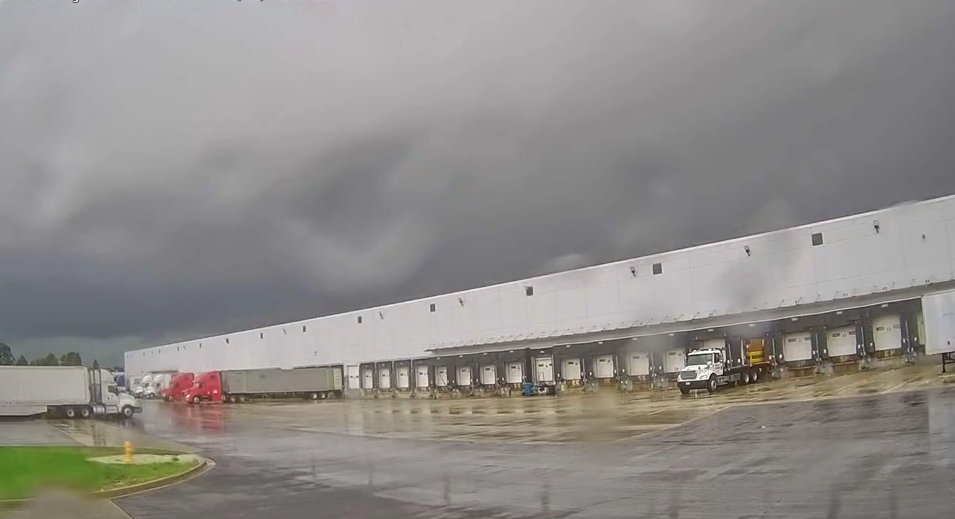
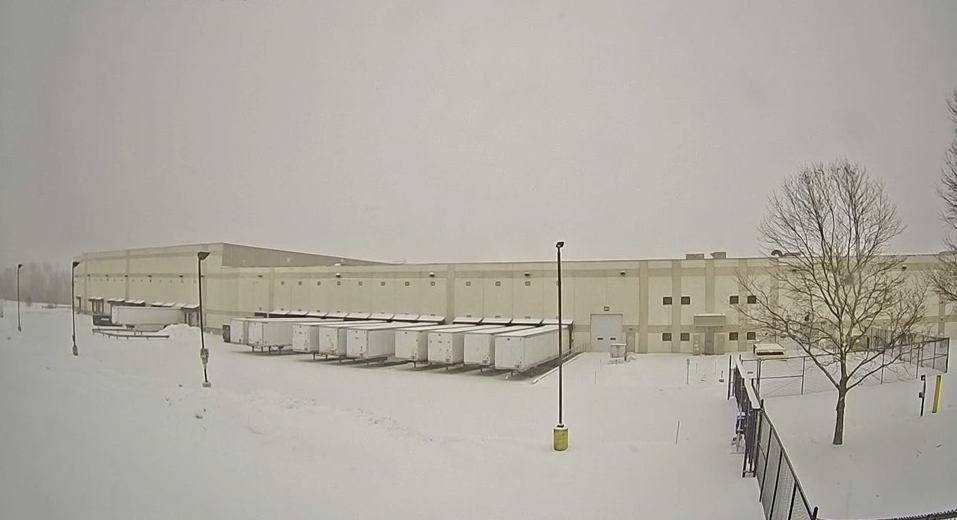
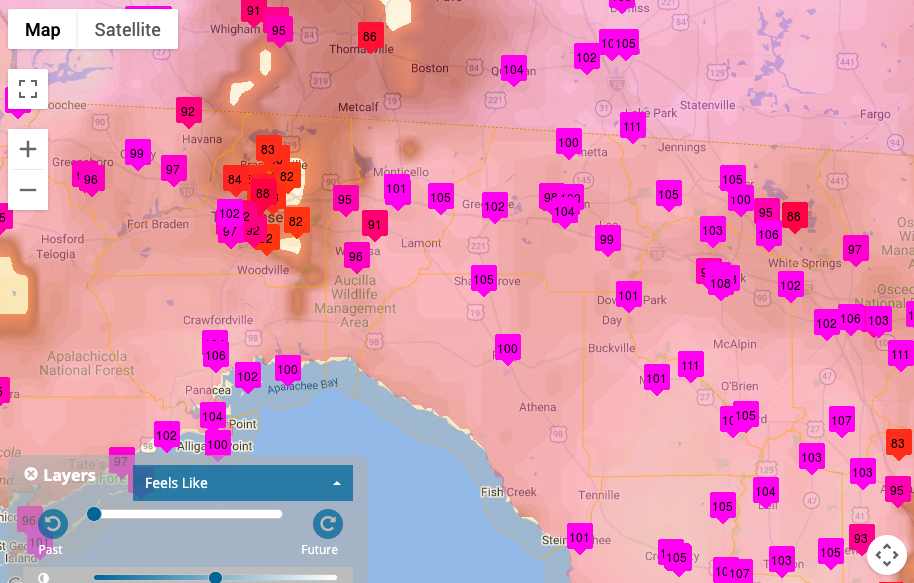
Two crews working just twenty miles apart can experience meaningfully different heat conditions because of differences in elevation, surface type, tree cover, urban development, and proximity to water. An organization relying on one regional weather reading for every site risks under-protecting some crews and over-restricting others, neither of which is a good outcome for safety or productivity.
How Do Centralized Dashboards Improve Heat Safety Management?
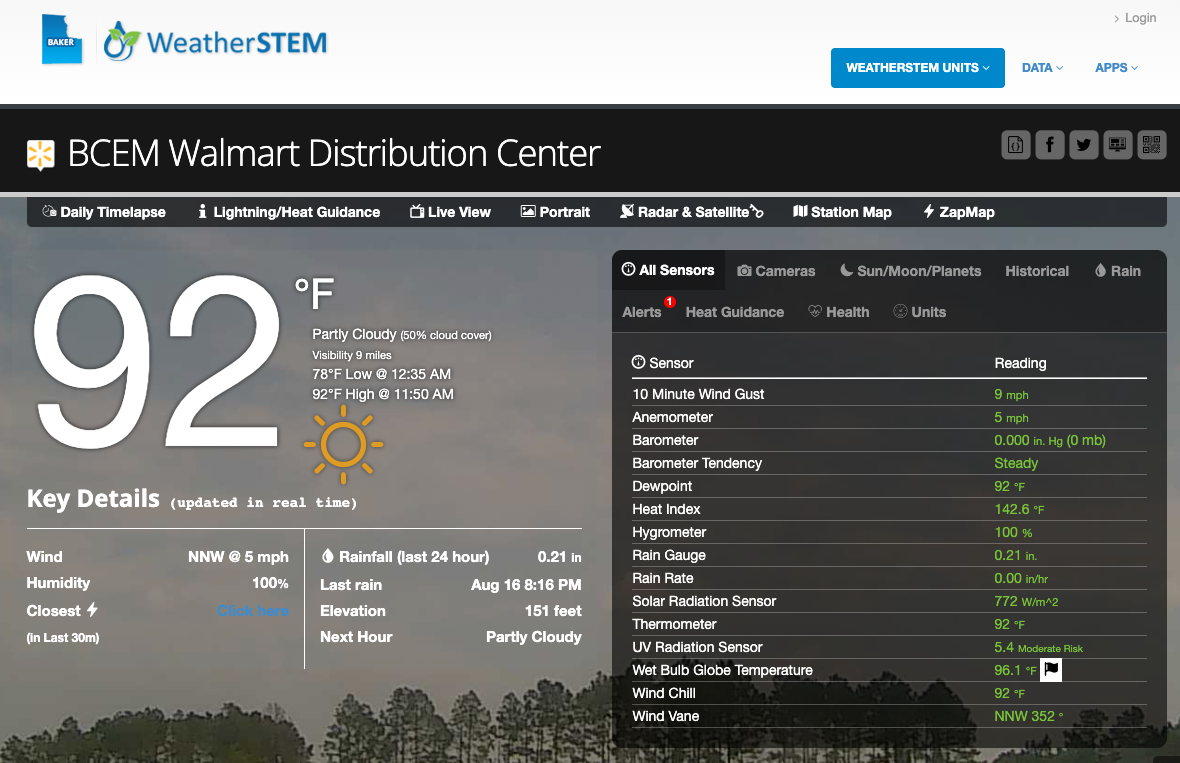
A centralized weather monitoring dashboard that pulls live readings from every site into one view lets safety managers see risk across an entire portfolio of locations at a glance. That eliminates the need to call around, switch between multiple data sources, or contact individual supervisors for updates. This is especially valuable for organizations managing dozens or hundreds of sites simultaneously during a regional heat event.
How Can Automated Alerts Scale Across Multiple Locations?
Manually checking conditions at every site doesn't scale past a handful of locations. Automated alerts triggered independently for each site and delivered directly to the appropriate supervisor allow one safety team to manage heat response across a large geographic footprint without adding headcount.
How can organizations standardize heat safety procedures across sites?
Multi-site consistency doesn't mean every site gets the same threshold; it means every site follows the same process for setting and responding to its own threshold. Standardize the plan, the escalation steps, and the documentation format while allowing trigger points to reflect each site's environmental conditions and operational demands.
What are the benefits of enterprise-level weather monitoring?
For organizations with distributed operations, per-site spreadsheets and individual weather apps become a compliance liability, not just an inconvenience. Enterprise monitoring platforms help organizations manage multiple job sites from a single interface by centralizing weather data, standardizing documentation, and demonstrating that heat safety procedures were consistently implemented across the organization.
Why do historical weather records matter for heat safety compliance?
Historical weather data helps organizations review how heat conditions changed throughout the day, evaluate the effectiveness of their response, investigate incidents, and identify long-term trends across multiple locations. These records also support documentation during inspections, audits, and post-incident reviews.
Frequently Asked Questions
Why is weather monitoring important for multiple job sites?
Weather conditions can vary significantly between locations, even within the same region. Monitoring each job site individually provides accurate environmental data that helps organizations make informed heat safety decisions based on actual conditions.
How can companies monitor heat across multiple locations?
Organizations can use centralized weather monitoring platforms that collect data from each site, display conditions in one dashboard, send location-specific alerts, and maintain records of environmental conditions across their entire operation.
Why are historical weather records important for heat safety compliance?
Historical weather records provide documentation of conditions during a heat event, help organizations review their response procedures, support incident investigations, and demonstrate that heat safety protocols were followed.
Explore Other Heat Safety Compliance Articles
- Heat Safety Compliance and Weather Monitoring Guide
- OSHA Heat Safety Requirements Explained
- Heat Index vs WBGT: Which Should Employers Use?
- How to Build a Heat Illness Prevention Plan
- How Weather Monitoring Supports OSHA Heat Compliance
- Why Real-Time Weather Monitoring Matters During Heat Waves
Learn how Weatherstem helps organizations monitor heat conditions across multiple locations with centralized weather data, automated alerts, and documentation tools that support safer operational decisions.

Weatherstem provides real-time weather monitoring, lightning detection, and automated alerting systems for emergency management, government agencies, athletics programs, and commercial operations. 900+ stations deployed nationwide.
Weatherstem
Real-time weather monitoring built for compliance and life-safety decisions.
Professional hardware, dual lightning detection, automated alerts, and permanent data logging — installed and managed for you. Used by emergency management agencies, athletic programs, and government operations nationwide.
Book a Free Demo