Why Do Parks and Recreation Departments Need Heat Safety Plans?
Parks and recreation departments carry a heat safety burden most workplaces don't: protecting employees under OSHA and state rules while also making real-time decisions about public safety at pools, trails, sports fields, and playgrounds. Both responsibilities depend on accurate, current conditions on-site. A parks and recreation heat safety plan should account for both employee exposure and the public activities taking place across different facilities.
Maintenance Crews Face Construction-Level Exposure
Groundskeepers, mowing crews, and trail maintenance staff often work in direct sun with heavy equipment for full shifts, facing heat exposure comparable to construction work but without always having the same level of formal heat safety resources available to them. These crews deserve the same documented protections as any other outdoor workforce.
Pools, Splash Pads, and Outdoor Programming Decisions
Decisions about closing a splash pad, adjusting pool hours, or canceling outdoor programming during extreme heat carry real public safety weight and real public scrutiny. Having objective, on-site heat data to point to rather than just a judgment call makes those decisions faster, more consistent, and easier to explain to the public if questioned.
Communicate Heat Risk to Visitors
Beyond protecting staff, many parks departments now post real-time heat advisories at trailheads, pools, and sports complexes so visitors can make informed decisions too. Feeding the same monitoring data used for staff safety into public-facing signage or alerts extends the value of the investment without building a second system.
How Does Weather Monitoring Support Parks and Recreation Heat Decisions
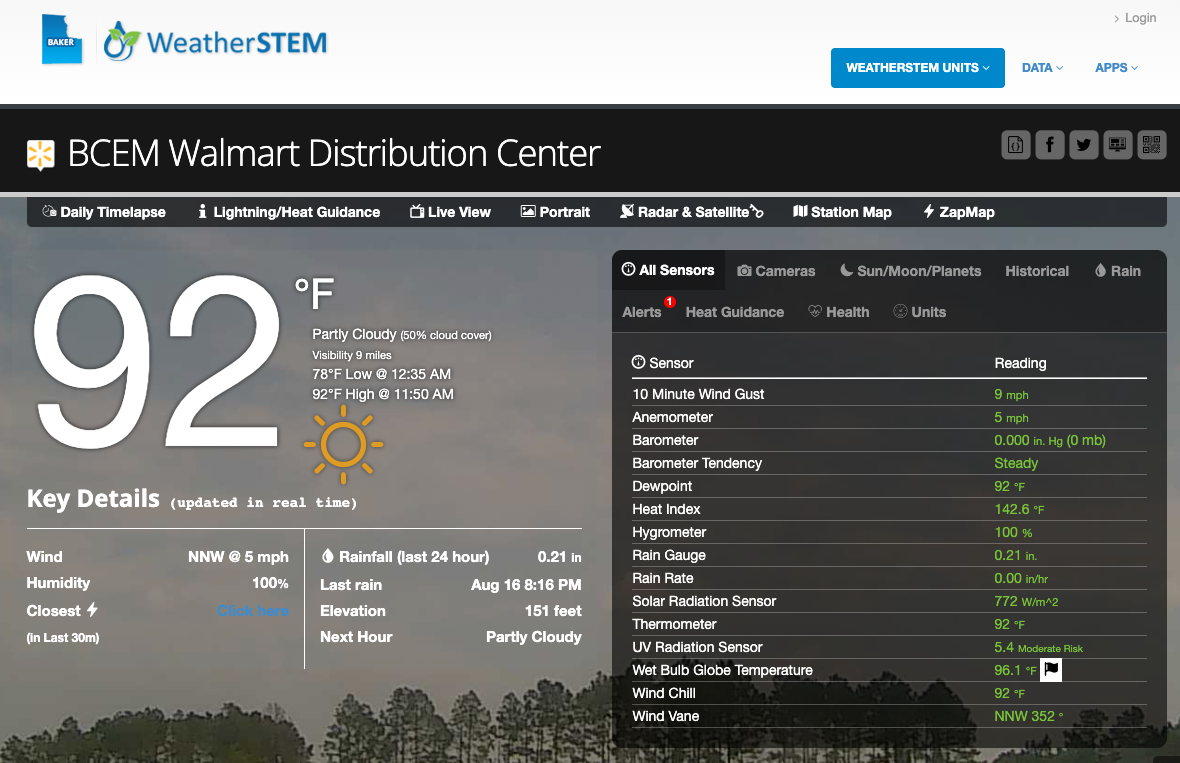
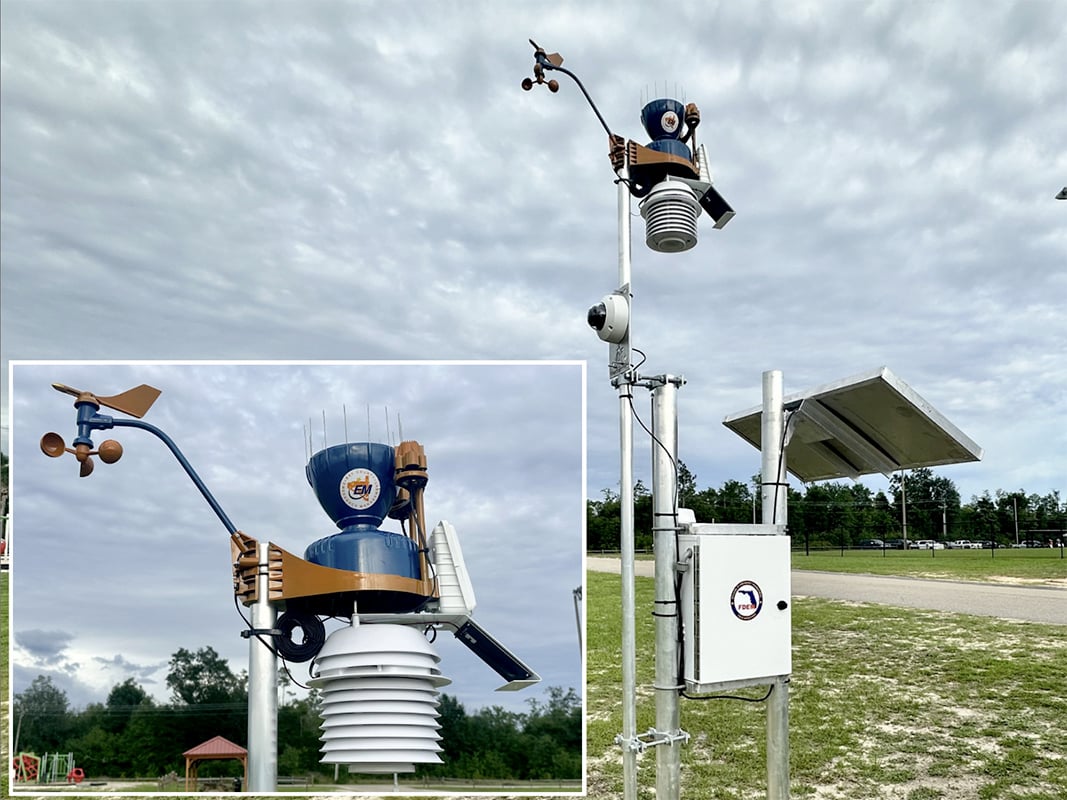
Parks and recreation departments make dozens of heat-related decisions throughout the season, from modifying athletic programs to adjusting facility operations. Site-specific weather monitoring provides the data needed to understand conditions at each location and apply consistent response procedures across parks, pools, and recreation facilities.
Building a Parks-Specific Heat Protocol
An effective protocol treats maintenance staff, program staff, and the visiting public as three separate but connected concerns, each with its own thresholds and response plan, all grounded in the same real-time, on-site readings rather than relying on multiple sources of information.
Learn how Weatherstem helps parks and recreation departments monitor heat conditions with on-site weather data, automated alerts, and public safety tools that support better operational decisions.
Frequently Asked Questions
How can parks and recreation departments improve heat safety?
Parks and recreation departments can improve heat safety by developing a heat safety plan, monitoring conditions at outdoor facilities, training employees, adjusting activities when needed, and communicating heat risks to visitors.
Why do parks need on-site weather monitoring?
Conditions can vary significantly between parks, pools, trails, and sports complexes. On-site weather monitoring provides location-specific heat data so departments can make decisions based on actual conditions rather than regional estimates.
How can parks communicate heat risk to visitors?
Parks departments can use real-time heat data to support visitor alerts, signage, facility messaging, and operational decisions that help guests understand current conditions and make safer choices.
Explore Other Heat Safety Compliance Articles
- Heat Safety Compliance and Weather Monitoring Guide
- OSHA Heat Safety Requirements Explained
- Heat Index vs WBGT: Which Should Employers Use?
- How to Build a Heat Illness Prevention Plan
- Why Real-Time Weather Monitoring Matters During Heat Waves
- Monitoring Heat Across Multiple Job Sites
- Heat Safety for Construction Companies
- Heat Safety for Public Works
- How Weather Monitoring Supports OSHA Heat Compliance

Weatherstem provides real-time weather monitoring, lightning detection, and automated alerting systems for emergency management, government agencies, athletics programs, and commercial operations. 900+ stations deployed nationwide.
Weatherstem
Real-time weather monitoring built for compliance and life-safety decisions.
Professional hardware, dual lightning detection, automated alerts, and permanent data logging — installed and managed for you. Used by emergency management agencies, athletic programs, and government operations nationwide.
Book a Free Demo